Licensed plumbers for Portland homes and buildings, with a written price before work starts and a 1-year workmanship warranty.
Free on-site estimates · 24/7 dispatch · 1-year workmanship warranty
Multnomah County Response
6920 NE 42nd Ave
Oregon and Washington
29 Years of Excellence
Every Project, Guaranteed
The work we run most often in Portland, at houses and at commercial properties. Everything else, from stormwater to EV charging, is on the full services list.
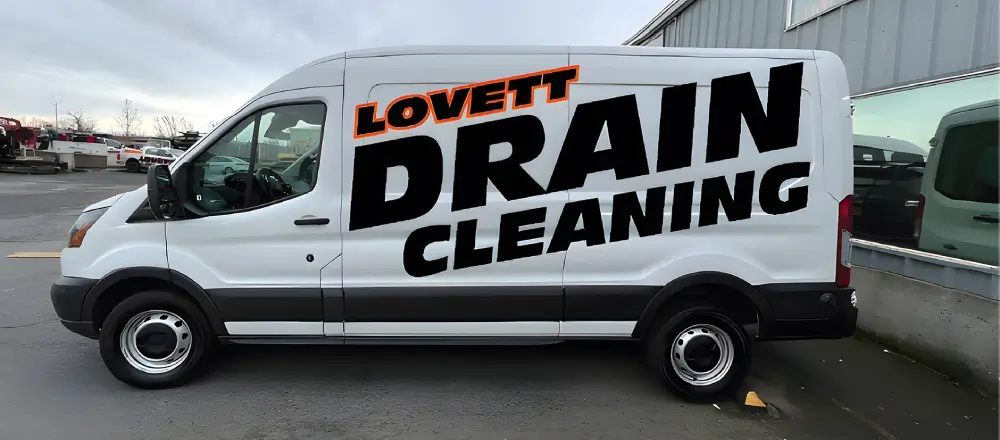
Rooter service, high-pressure jetting, sewer camera inspection, and preventative maintenance programs.
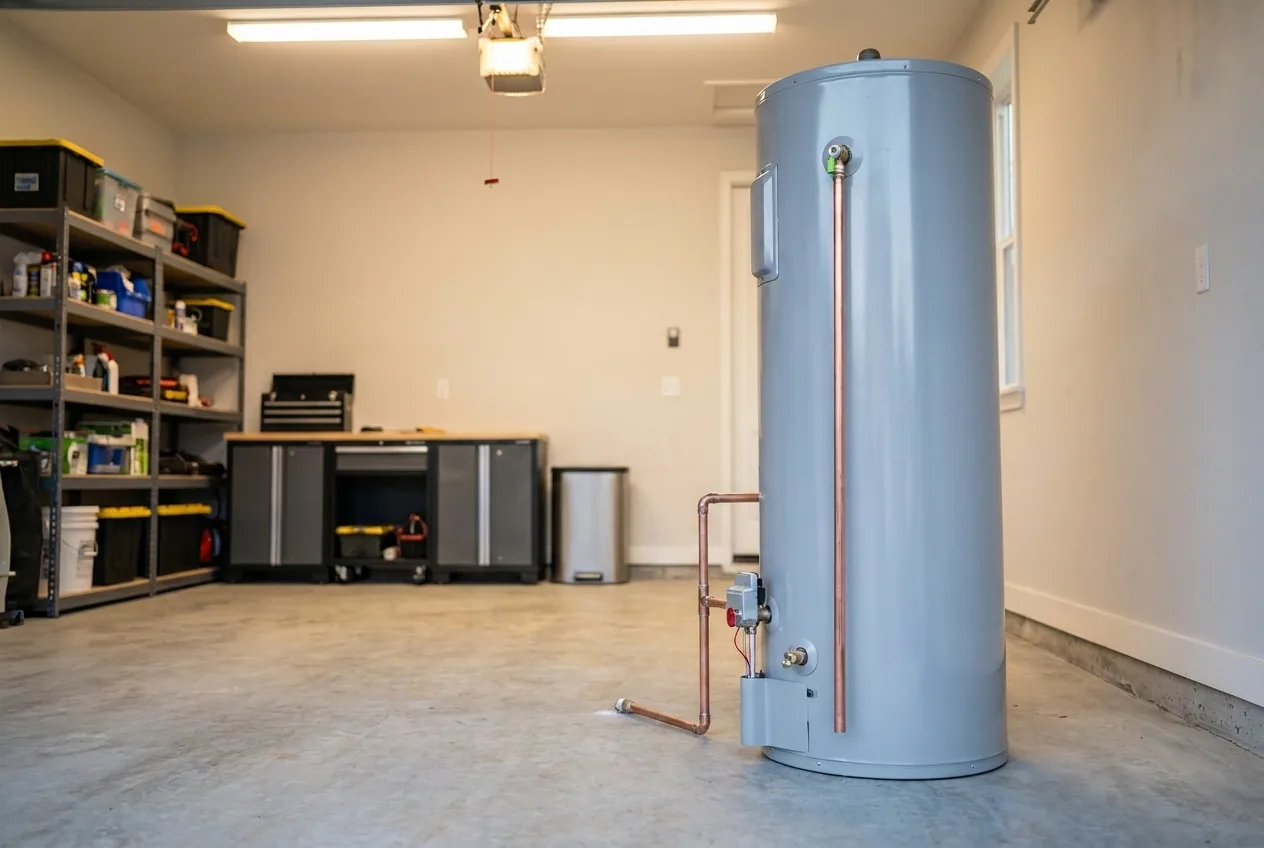
Repair and replacement for tank, tankless and heat pump units. Permit pulled, seismic strapping, expansion tank and venting all done to Oregon code.
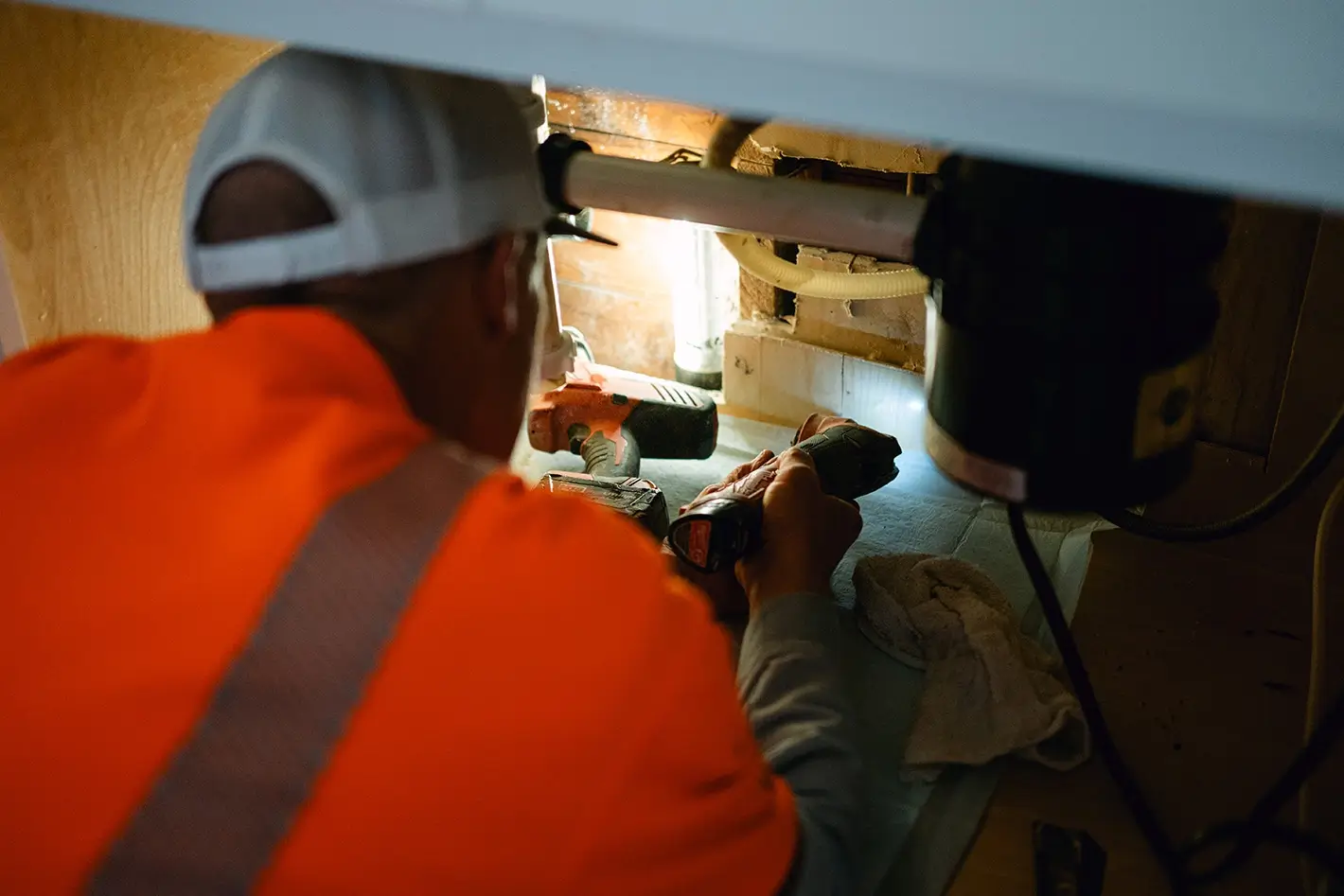
Installation, repair, maintenance, leak detection, and water service. Includes backflow testing and sump pump service. Licensed plumbers available 24/7.
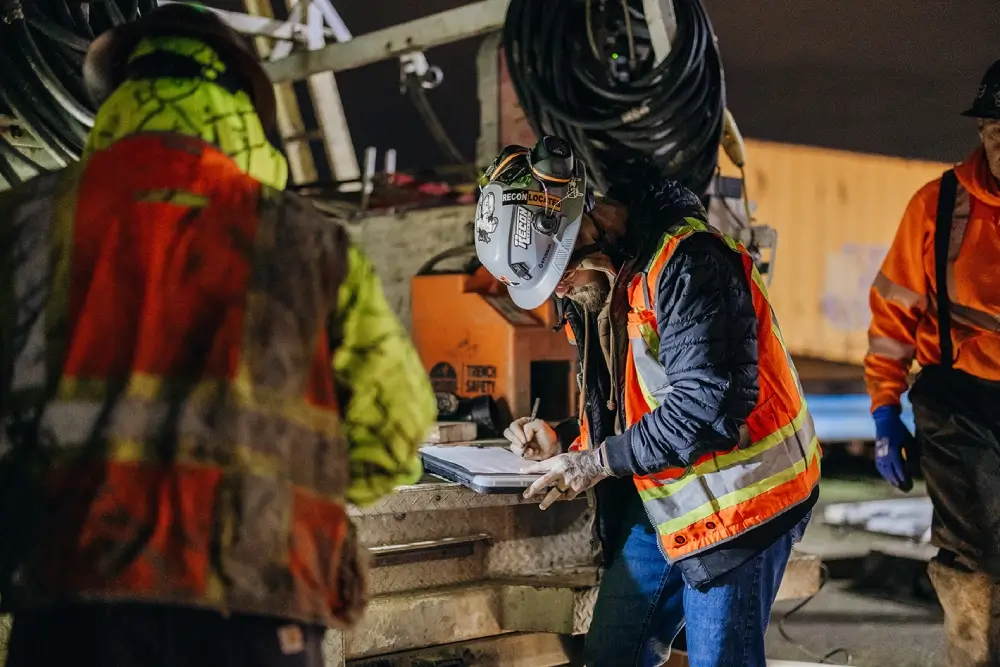
Site work, grading, trenching, sewer rehab, pipe bursting, concrete, and demolition.
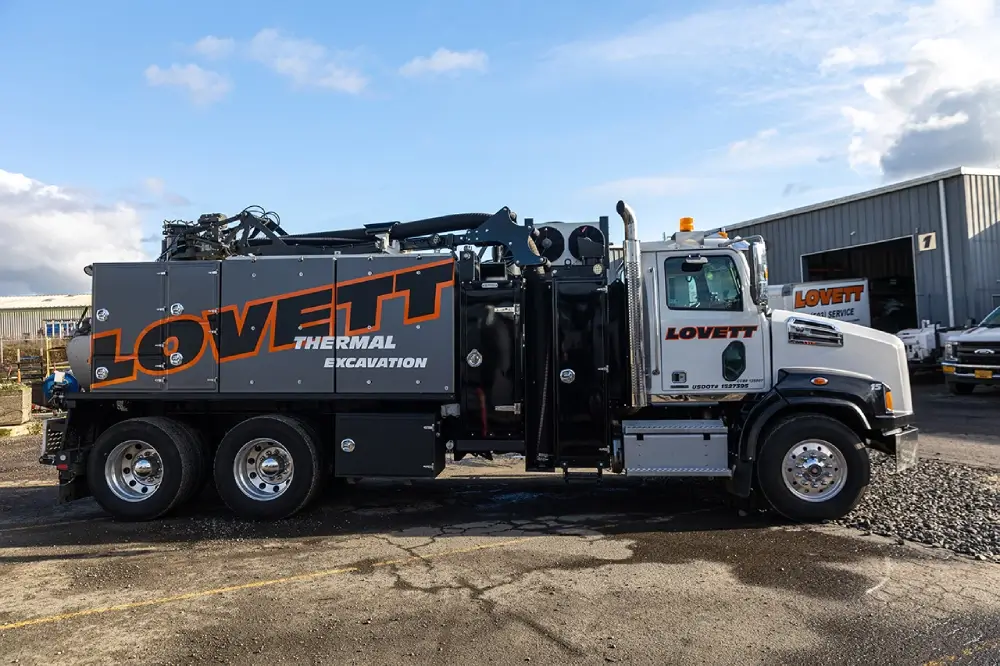
Hydro excavation, stormwater maintenance, debris extraction, waste removal, and confined space support.
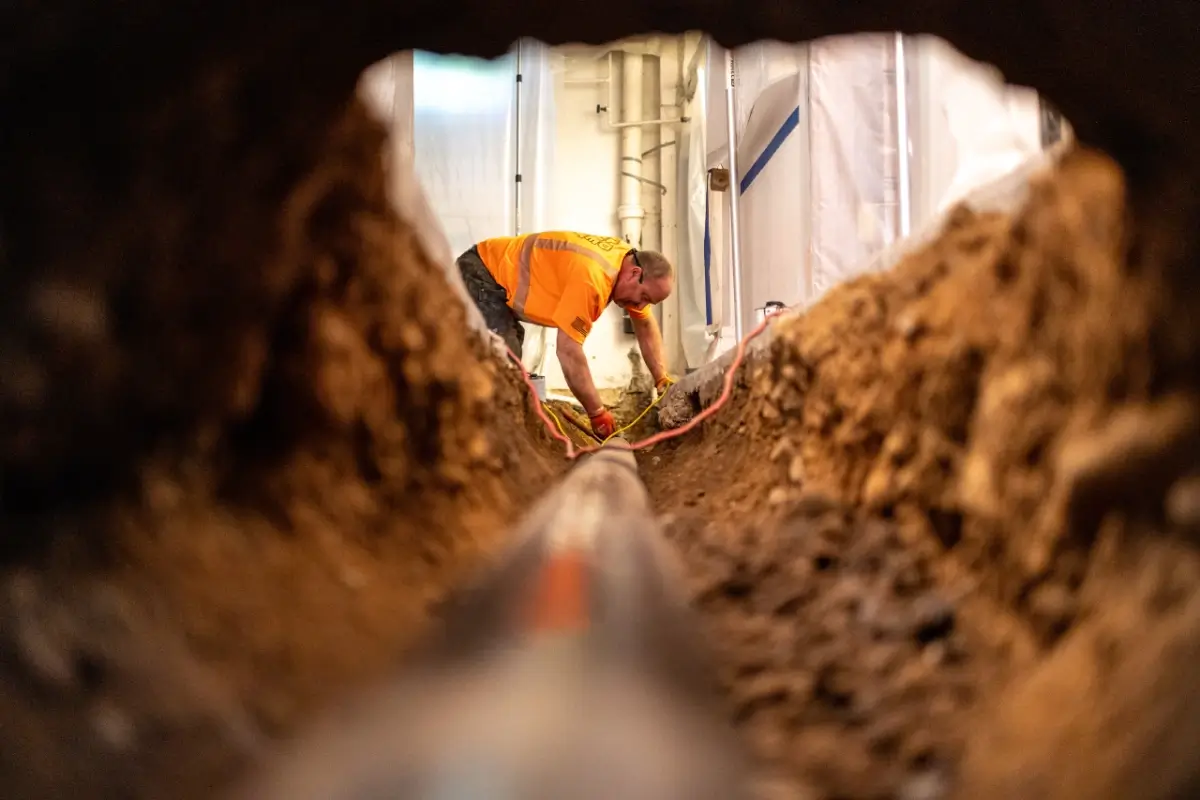
Spot repairs, full lateral replacement, and trenchless options that skip the trench.
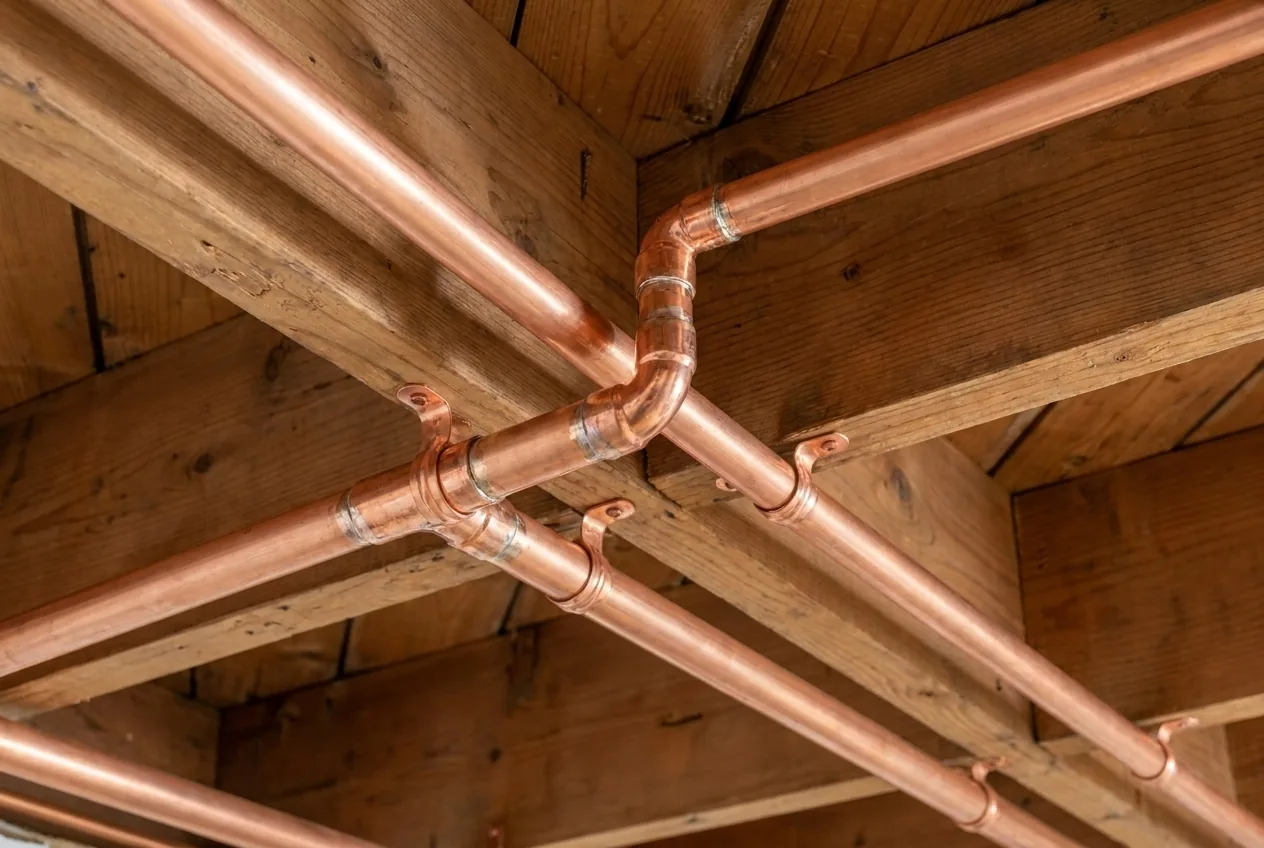
PEX and copper replacement for galvanized, polybutylene and failing copper supply.
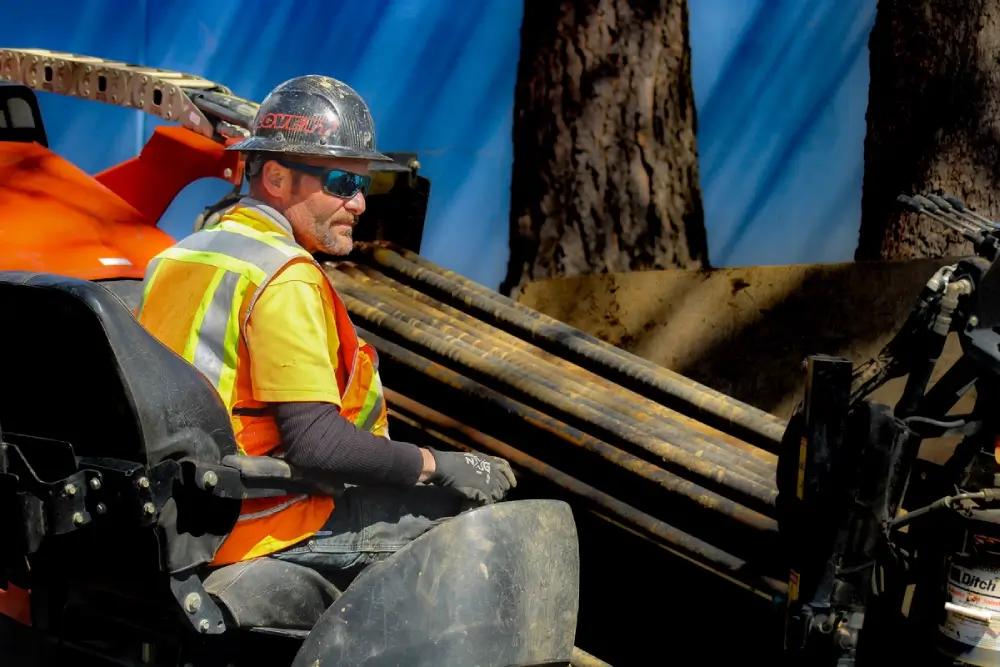
HDD, trenchless conduit installation. PGE Certified. .75” to 24”+.
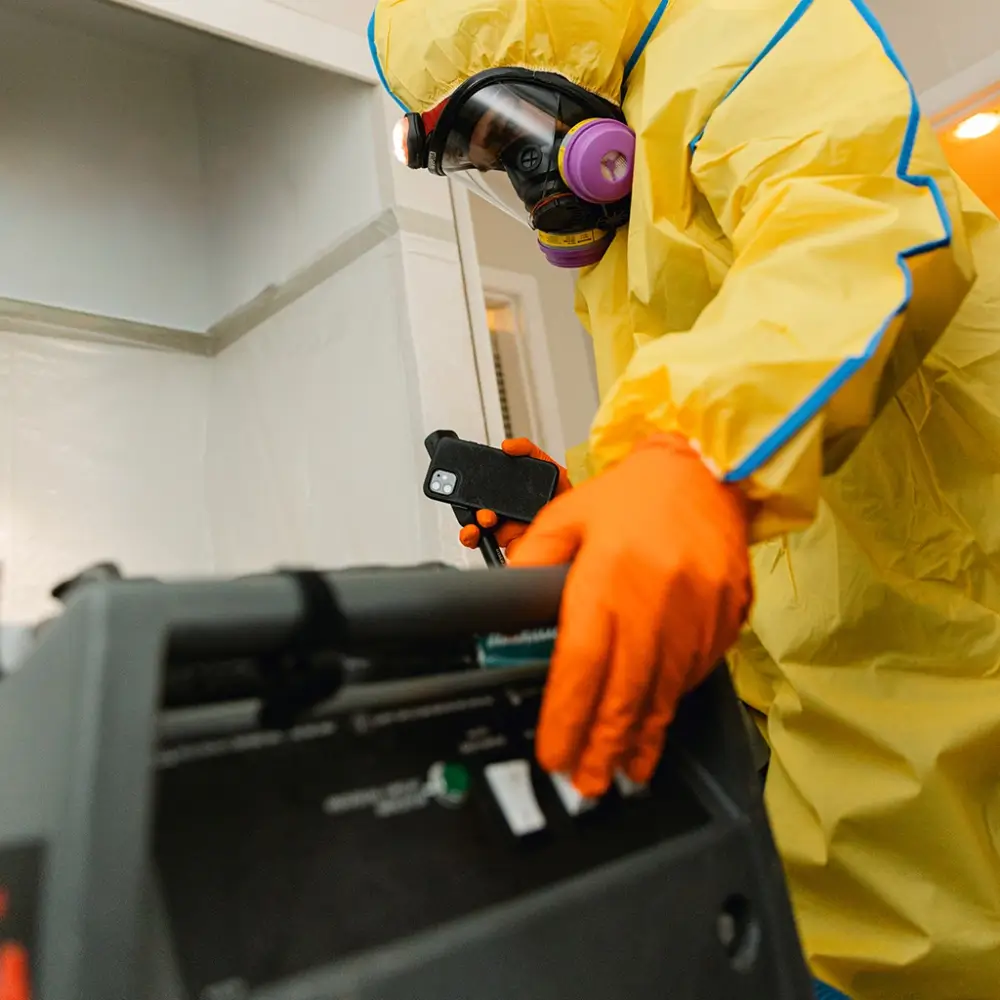
Emergency extraction, structural drying, mold remediation, and restoration.
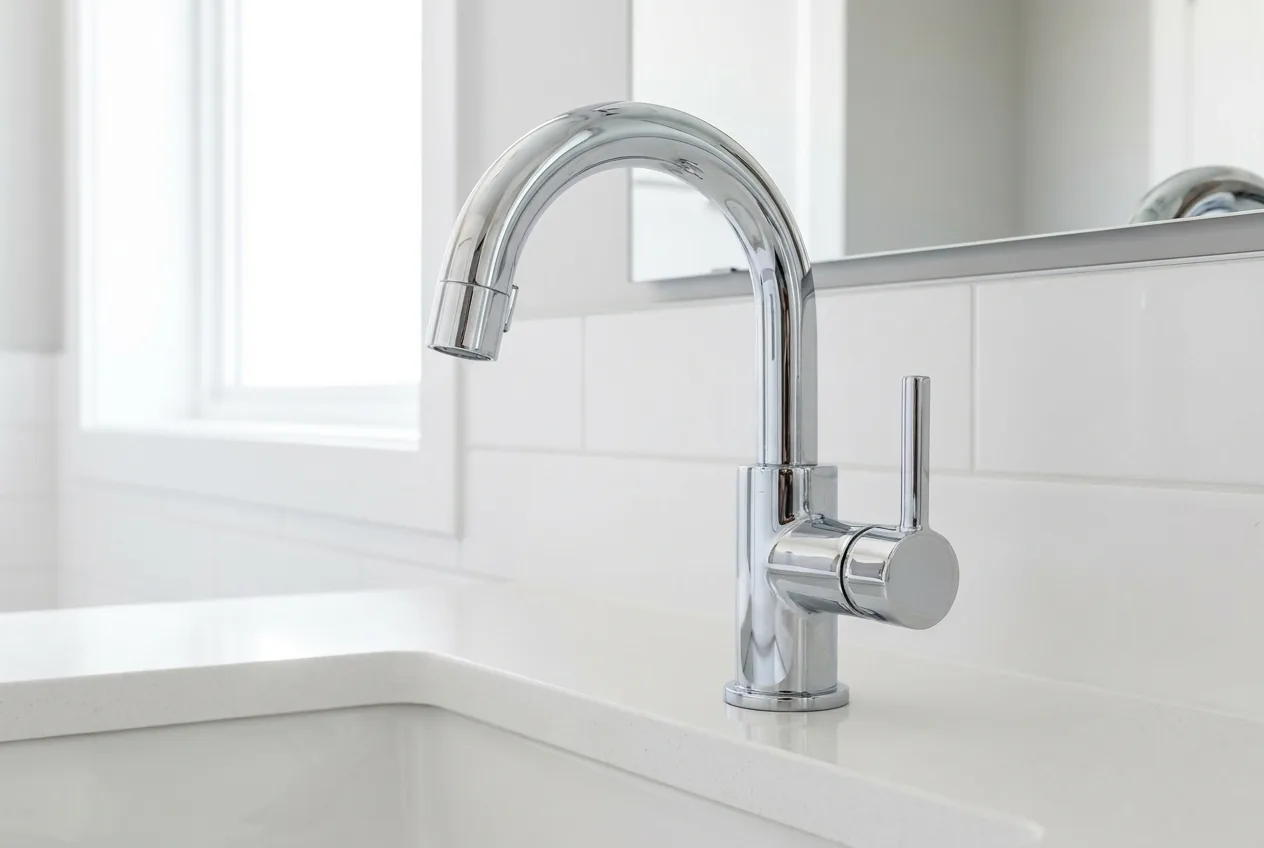
Faucets, toilets, sinks, tub hardware and the pipe behind them.
When a critical system fails, minimizing downtime is the highest priority for any property manager. Lovett Services operates with a 24/7 availability model to ensure that Portland property managers and facility directors never have to scramble for a reliable vendor during an emergency. Whether it’s a midnight pipe burst in a downtown commercial high-rise or a collapsed sewer line at a suburban retail center, our rapid deployment teams arrive equipped and ready to stabilize the situation immediately.
Ignoring plumbing or drain issues is a costly reality that can compound quickly. Slow plumbing is often the first warning sign of accelerated deterioration within a sewer line. If left unaddressed, these symptoms worsen rapidly, inevitably leading to catastrophic backups that cause serious, expensive damage to the building structure and surrounding units. Immediate intervention not just protects the physical asset but also shields property owners from potential liability, safety hazards, and extended loss of rental income.
Our ultimate one-call solution is built specifically to shoulder this burden. By offering a complete suite of services: from the initial emergency plumbing repair to the subsequent water damage mitigation and final site cleanup; we simplify the entire recovery process. You get absolute peace of mind knowing that one highly accountable team is managing the entire lifecycle of the project, keeping tenant disruption to an absolute minimum and restoring standard operations as swiftly as possible.
Crews deployed around the clock for commercial emergencies. No waiting until morning.
Plumbing, excavation, mitigation, vac truck. One dispatcher, one team, one call.
Licensed in Oregon and fully insured for all commercial, civil, and mitigation work.
Every project backed by our guarantee: if it fails within a year, we fix it free.
A drain that clears for a week and closes again is almost always root intrusion at a joint in an older clay tile line. We camera it first, tell you where the intrusion is and how far out, then cable it to reopen the line or jet it if the whole diameter needs scouring. You see the footage. Nothing gets quoted off a guess.
A licensed plumber arrives with the truck stocked for the job that was described on the phone. We put down floor protection, isolate the work area, and tell you what we found before we start cutting anything. If the finding changes the job, you hear that first and decide. We clean up the space we worked in before we leave.
Every repair and installation you book carries a one-year warranty on the workmanship, and you can read the terms on the warranty page rather than take them on the doorstep. The plumber in your house is a Lovett employee, not a subcontractor, working for a company that has been in this city since 1997.
Planned jobs like a repipe, a water heater swap or a lateral replacement get booked into a day with a real arrival window. Active flooding, a sewer backing up into the house or a total loss of water is a 24/7 dispatch call, and a live dispatcher takes it at any hour. Portland is our home city, so nothing here is an out-of-area trip.
Successfully executing commercial construction and maintenance projects in the Pacific Northwest requires deep local expertise. Our crews are intimately familiar with the Portland Bureau of Development Services (BDS) permitting requirements, ensuring all excavation, directional drilling, and structural modifications remain fully compliant with current municipal codes.
We understand the distinct logistical challenges of working in densely populated urban corridors. Managing tight urban parking and restricted access for heavy equipment, vac trucks, large excavators, requires precise planning. Whether navigating the narrow streets of the Pearl District, managing traffic control downtown, or accessing restricted multi-level parking structures, we phase our staging and execution to minimize pedestrian and vehicle disruptions.
The Pacific Northwest climate demands specialized infrastructure knowledge. We install reliable stormwater facilities, maintain ADA-compliant catch basins, and perform eco-friendly geothermal line installations that align with Portland’s rigorous environmental standards. Our materials and methods are specifically chosen to withstand local weather conditions.
Our Portland hub serves the entire metro area. We also serve these nearby communities:
When a critical system fails, every minute matters. Our 24/7 dispatch model means fully equipped technicians arrive fast: a pipe burst in a downtown high-rise or a collapsed sewer at a suburban retail center.
From the initial emergency repair through water damage mitigation to final site cleanup, one accountable team manages the entire project lifecycle. No juggling multiple vendors. No communication gaps.
Fully licensed, bonded, and insured. We stand behind every project with a full 1-year warranty. Exceptional construction and maintenance backed by a commitment to your total peace of mind.
Real reviews from property managers and business owners across the Pacific Northwest.
“These guys were extraordinary, Gary and his crew worked through the night to restore water and sewage to 26 homes. A dedicated crew that didn’t clock out until every house was up and running.”
Columbia Way West
“We use Lovett often, always calling when we’re in a pinch. The team always steps up. Ken and Andrew always come through, 100% of the time. There is nothing these guys can’t do.”
Multi-Family Property Owner
“As a facilities professional it’s always a pleasure to work with contractors who know their business. Charges were in line with expectations and the quality was first rate. An outstanding choice.”
Facilities Professional
Portland is not one plumbing environment. A 1912 Irvington foursquare, a 1978 outer-east ranch that was on a septic tank before it was on a sewer, and a warehouse in Rivergate fail in different ways and get permitted through different counters. The eight items below are the ones that decide scope on almost every job we take inside the city.
The private-property side of a lateral takes a PT plumbing permit from Portland Permitting & Development and is inspected by PPD. The section in the right of way, between the property line and the curb, takes a UR permit, has to be done by a licensed sewer contractor, and is inspected by PBOT right-of-way inspectors. A brand-new connection takes a UC permit instead. The dividing line matters for money as well as paperwork: the property owner maintains the lateral from the building out to the property line, and the City maintains the branch beyond it. UR permits usually process within one to two business days once they are paid. We pull all three.
The City publishes its own era-to-material guidance, and it is the right starting hypothesis for your building. Built before the mid-1960s, expect a concrete or clay tile sewer line. Built after 1975, expect no-hub cast iron or plastic. Newer work is PVC 3034 and ABS schedule 40; PVC schedule 40 exists here but is not common. Nobody should guess at the window between the mid-1960s and 1975, because the City’s own table for that stretch does not read cleanly and inventing it would not help you. Every one of these is a probability, not a fact about your address. The camera settles it.
Portland’s Bull Run supply is naturally low in pH and alkalinity, which makes it corrosive to plumbing. The Water Bureau identified homes built or replumbed between 1970 and 1985 as the highest-risk group, roughly 15,000 of them, because copper pipe joined with lead solder was standard practice in that window. The Improved Corrosion Control Treatment facility came online on 21 April 2022 and doses soda ash and carbon dioxide to a target pH of 8.5 and alkalinity of 25 mg/L. If a building is in that build window, the pipe itself is worth a look, and recurring pinhole leaks in aged copper are a repipe conversation rather than a patch conversation.
In the older parts of the city, sanitary flow and street runoff move down the same pipe. When a drain backs up only during heavy rain and behaves perfectly the rest of the year, a combined system is usually the reason and the fix is not a stronger snake. The East Side Big Pipe, finished in 2011 after twenty years and 1.4 billion dollars of public investment, holds over 100 million gallons across 13 miles of tunnel and cut Willamette overflows by 94 percent and Columbia Slough overflows by 99 percent. It did not remove the hydraulics from an individual building. Backwater protection, a correctly set cleanout and an honest camera run are what change the outcome at the property.
Citywide tree canopy held at 32.4 percent between 2020 and 2025, down from a 2015 peak of 33.4 percent. It is not spread evenly: the eastside, where 80 percent of residents live, runs about 26 percent, and the westside about 56 percent. Mature street trees standing over a clay tile lateral is the classic Portland root-intrusion setup, and root intrusion at pipe joints is the single most common cause of recurring main-line backups. Cabling clears the immediate blockage and cuts roots open. Hydro jetting scours the full diameter and is the better answer for a line that keeps closing up. Root-prone lines do well on a maintenance clean about once a year.
Irvington developed as a streetcar suburb between 1887 and 1930 and carries Queen Anne, Period Revival, Bungalow, Craftsman and Prairie School houses; the 1905 Lewis and Clark Centennial Exposition kicked off a building boom that ran through 1913. Laurelhurst was established in 1909, is a National Register historic district, and mixes Craftsman with larger brick homes on curving streets around Laurelhurst Park. Southeast is Craftsman bungalows, Foursquares and Victorians from the early 1900s, with Sellwood’s historic streets as the type specimen. At 52 and 47 percent of the pre-1940 stock, these two subareas hold the deepest galvanized-supply and cast-iron-drain inventory in the city.
Southwest Portland is hill country on the Tualatin Mountains. Early development moved slowly because of steep slopes and frequent landslides and only picked up in the 1920s once builders started terracing and grading. Hillsdale began in the 1920s but filled in after the war with daylight ranches, split levels and mid-century one-levels; Multnomah Village sits about five miles south of downtown; Healy Heights straddles the ridge. Slope means long steep service runs, drain-line bellies and settlement, under the heaviest canopy in the city. Northwest is a different problem. Nob Hill’s Victorian houses, 1920s apartment buildings and newer condos along NW 21st and NW 23rd make it a high concentration of small older multifamily, which is a property-manager workload rather than a homeowner one.
The area roughly from 82nd Avenue out to 182nd was annexed in the 1980s and 1990s, bringing in about 140,000 people. It was built after the war around the car rather than the streetcar, frequently without sidewalks, and a good deal of it went in with septic tanks rather than a sewer connection. If your property is out there, an abandoned tank or cesspool can surface at sale, remodel and ADU time. PPD issues septic decommissioning permits in Multnomah County and runs a septic-to-sewer conversion process, and Lovett locates, decommissions and connects under it. On the working side of the city, the Columbia Corridor covers 22,600 acres across more than eighteen miles of riverfront, with Rivergate at 2,800 acres and over 14 million square feet, Swan Island at 430 acres and roughly 170 businesses, and the Central Eastside warehouse district close in. The Lovett shop sits inside that corridor, so your site there is a short run, not a mobilization.
Serving the PNW
Emergency Service
Workmanship Warranty
Our Portland hub serves the entire metro area. We also serve these nearby communities:
Yes. Our team is highly experienced with the Portland Bureau of Development Services (BDS) and local utility jurisdictions. We manage design consultation, public works preparation, and all necessary permitting to ensure your commercial site work and excavation projects remain fully compliant with city regulations.
We offer a rapid 24/7 emergency response for commercial and industrial properties across the Portland metro area. Our dispatch team is available around the clock to send out fully equipped technicians immediately, minimizing tenant disruption and protecting your assets.
Absolutely. Our fleet includes advanced vacuum and thermal excavation trucks capable of operating in restricted areas, such as downtown Portland alleys and Pearl District access points. We regularly assist with utility potholing, confined space entry preparation, and heavy-duty trenching for both private and municipal clients.
Yes, we work closely with property managers to develop scheduled preventative maintenance programs. From routine high-pressure jetting and comprehensive sewer line scoping to annual backflow testing, we help you avoid costly emergency repairs and keep your building systems operating efficiently.
Horizontal directional drilling (HDD) allows us to install precision sewer, water, and power conduit lines under obstacles like roads, driveways, and mature landscaping without disturbing the surface. This trenchless approach preserves your property’s aesthetics, prevents traffic disruptions, and reduces overall restoration costs.
We do, and it is usually more than one permit. Work on the private-property side takes a PT plumbing permit from Portland Permitting & Development, inspected by PPD. Work in the right of way between your property line and the curb takes a UR permit, has to be performed by a licensed sewer contractor, and is inspected by PBOT right-of-way inspectors. A brand-new connection takes a UC permit. UR permits typically process within one to two business days after payment. If the work crosses a water main or comes within five feet of a water pipe, it also needs a Utility Protection Plan approved by the Portland Water Bureau.
At the property line. You maintain the lateral from the building out to the property line, and the City maintains the branch from there to the main. That boundary decides who pays, which permit applies and who inspects the work, so it is the first thing a camera run establishes. The line gets located and the depth marked, so there is no argument about which side of the line the defect sits on.
It is worth checking. Bull Run water is naturally low in pH and alkalinity, which makes it corrosive to plumbing, and the Water Bureau identified homes built or replumbed between 1970 and 1985 as the highest-risk group because copper joined with lead solder was standard then. Roughly 15,000 homes fall in that window. The City’s Improved Corrosion Control Treatment facility came online on 21 April 2022 and now doses to a target pH of 8.5 and alkalinity of 25 mg/L. Recurring pinhole leaks in aged copper are the practical signal that a repipe in PEX or copper makes more sense than another patch.
Because the older parts of Portland are on combined sewers, a design the city has used since the 1860s, where sanitary flow and street runoff share a pipe. Newer areas are separated. A line that behaves all summer and backs up in a downpour is telling you something about system hydraulics rather than about a clog, and the answer is usually backwater protection and a properly placed cleanout rather than another cabling. We camera the line first either way, because roots and a combined system can absolutely be happening at the same time.
Often, yes. Pipe bursting pulls a new line along the existing path without a continuous open trench, which keeps driveways, landscaping and street surface intact. It is not always available: the route, the depth, the material and the condition of the host pipe all decide it, which is why the camera run comes before the method conversation and not after. Right-of-way work still requires the UR permit and a licensed sewer contractor regardless of the method used.
Tell us the property and what is happening. Dispatch reads every request and the right crew calls you back.
Read by our dispatch team, normally answered within one business day. For an active leak or backup, call 971-204-8148 instead.
971-204-8148. A live dispatcher answers 24/7, including weekends and holidays.
info@lovettservices.com
6920 NE 42nd Ave
Portland, OR 97218
Mon to Fri 7am to 5pm
24/7 Emergency Dispatch
Get a free on-site estimate. One call covers plumbing, drains, excavation, mitigation, and more, 24/7, including holidays and weekends.
