Office buildings, retail centers, and commercial campuses require infrastructure partners who understand the stakes of downtime. Lovett Services delivers. 24/7, across the Pacific Northwest.
Always available, day or night
Portland's trusted contractor
Oregon Licensed & Insured
Skilled, certified field team
1-year workmanship warranty
A plumbing or drainage failure in a commercial building isn’t just a maintenance problem: it’s a business continuity crisis. Tenants expect fully functioning facilities at all times. Property managers face liability the moment a drain backs up or a water line fails during business hours.
Lovett Services works with commercial property managers, building owners, and facility directors to maintain infrastructure proactively. We coordinate around tenant schedules, execute rapid emergency responses, and provide the documentation you need for building compliance and insurance records.
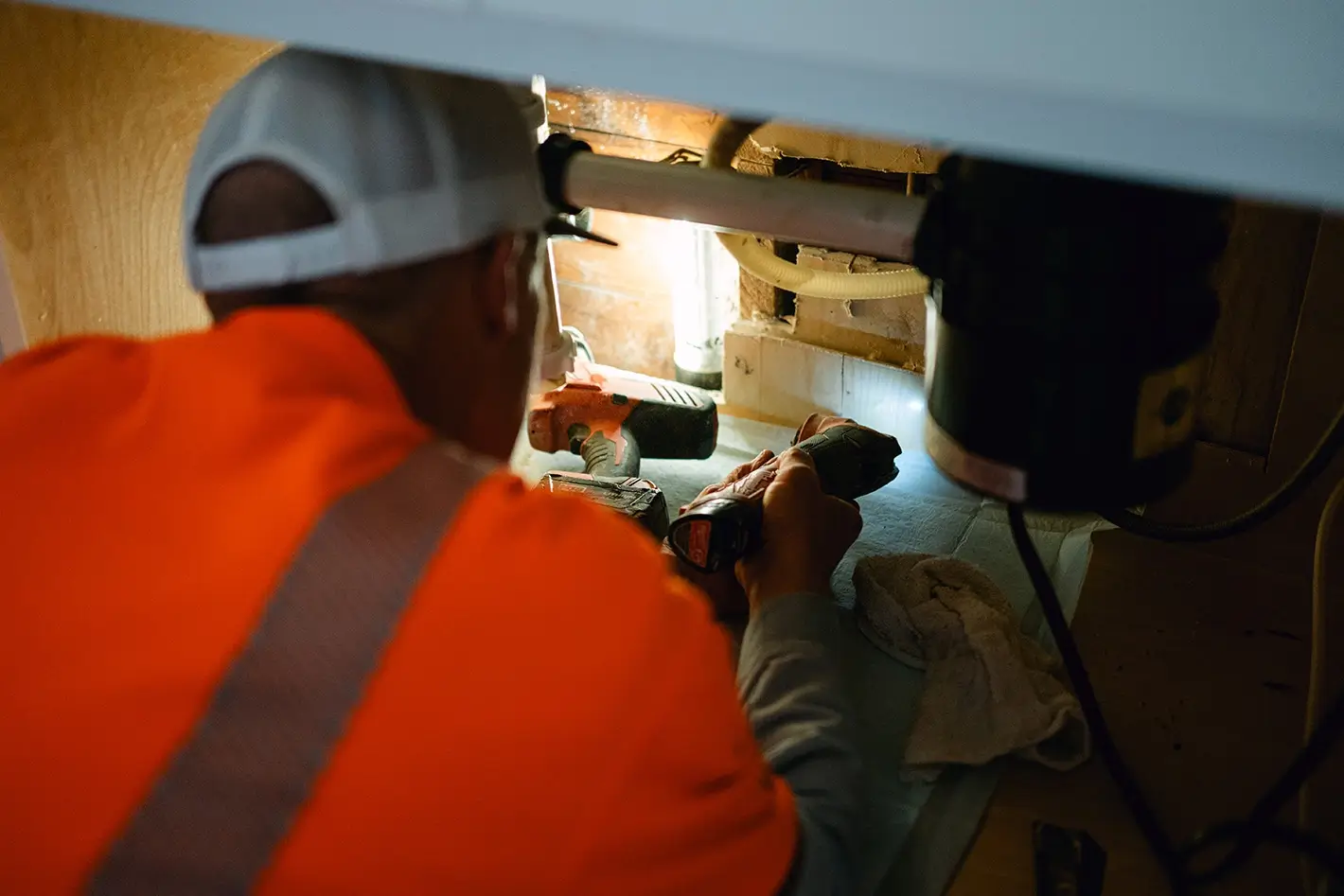
Full-service plumbing, leak detection, and water line repair for apartment complexes of all sizes.
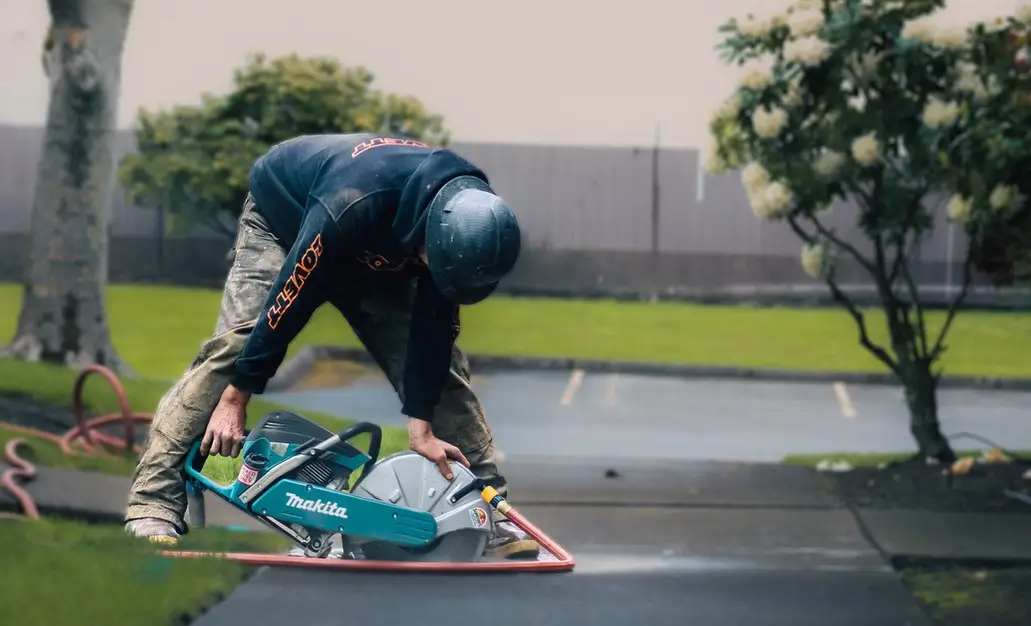
Site preparation, utility installation, and underground infrastructure for commercial campuses.

Trenchless conduit installation without disrupting parking, driveways, or landscaping.
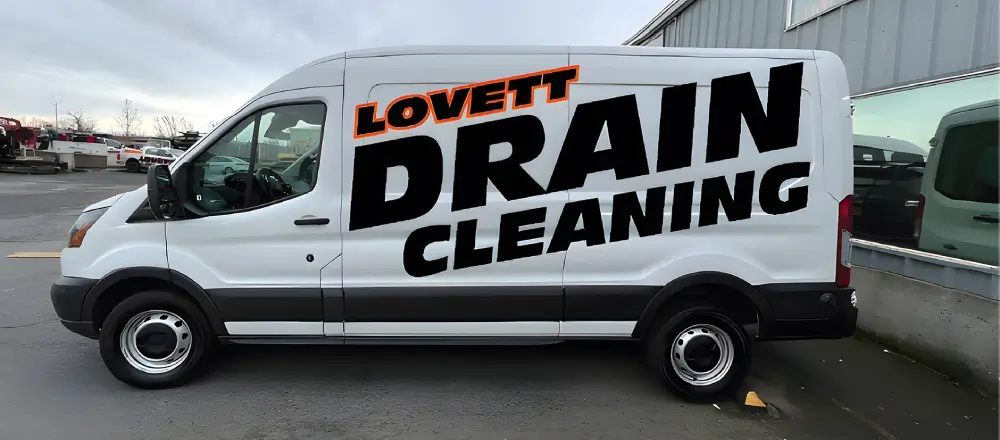
Hydro jetting & preventative programs.
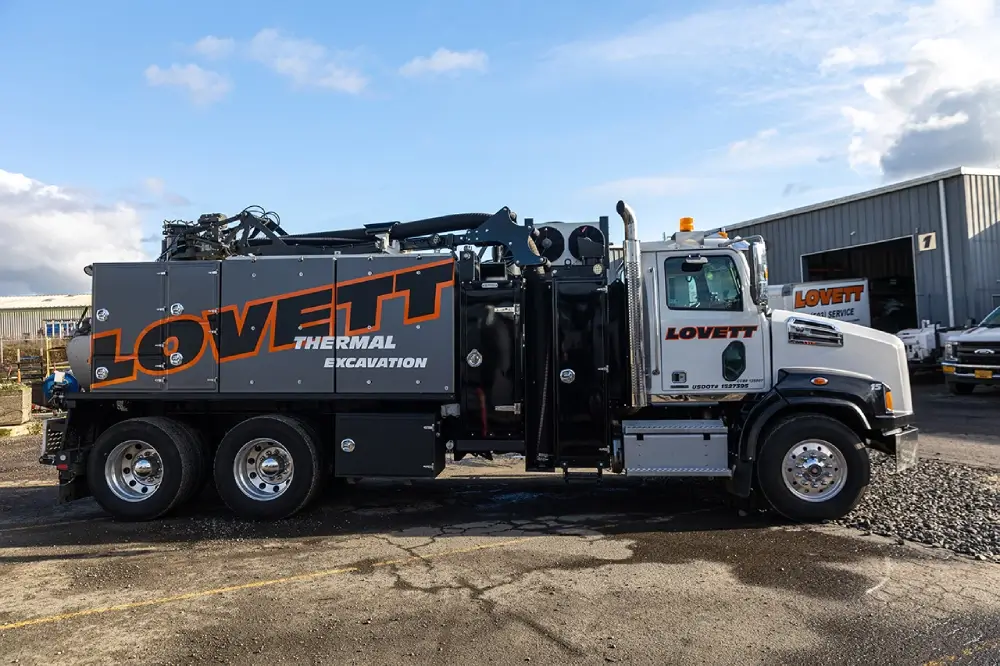
Debris extraction & stormwater maintenance.

Annual certification & PWB compliance.
From planned maintenance to emergency response. One contractor, full infrastructure coverage.
From emergency repairs to planned installations: water lines, sewer lines, fixtures, and full commercial plumbing systems for office and retail properties.
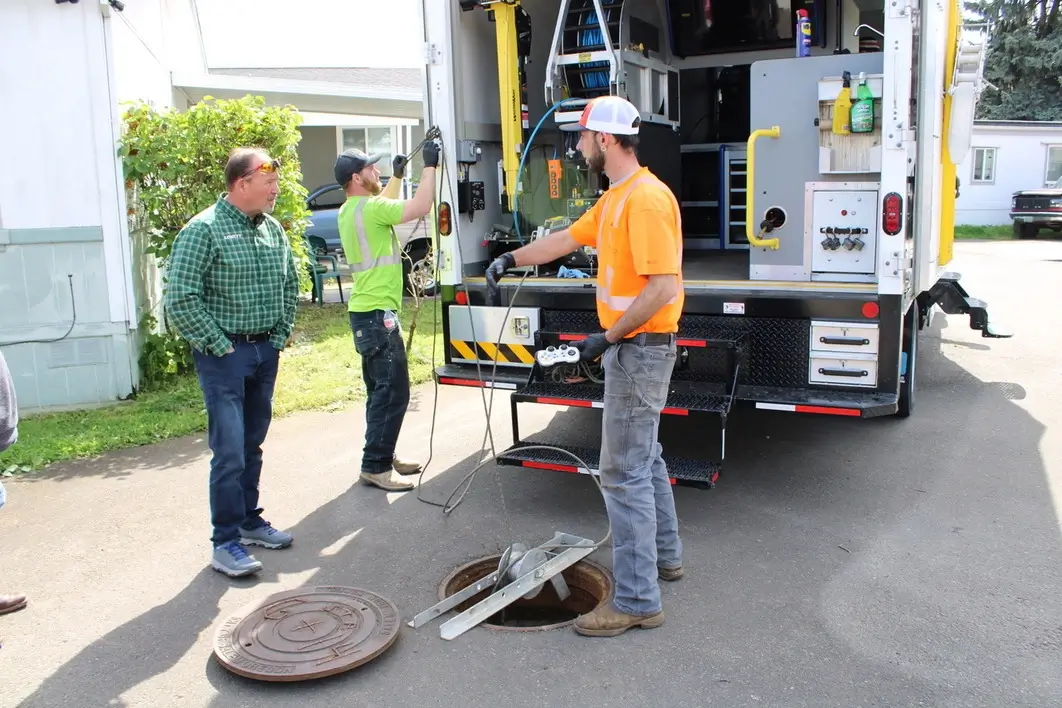
Rooter service, hydro jetting, and preventative drain maintenance keeping your restrooms, kitchens, and utility drains clear.
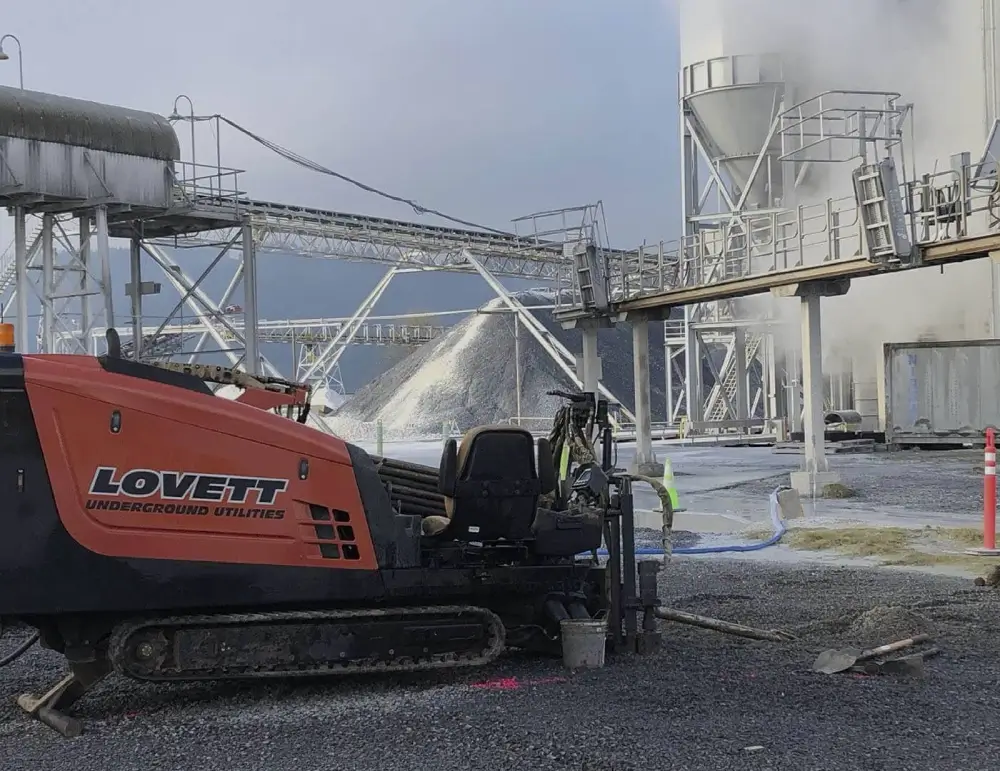
Site preparation, utility installation, and underground infrastructure upgrades with full public works documentation.
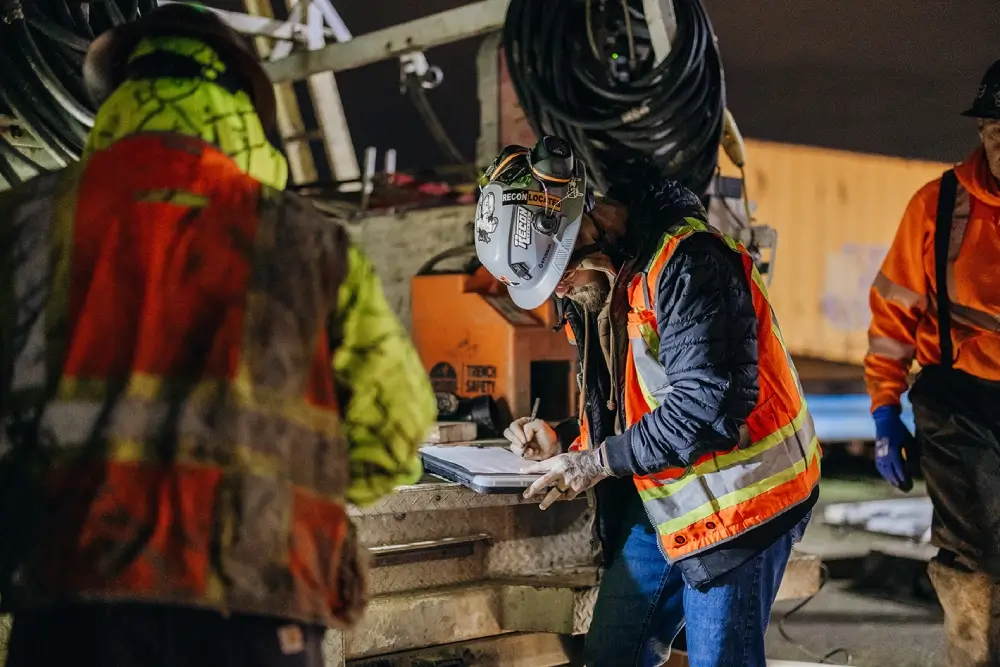
Annual certified backflow testing, repair, and compliance reporting so your property stays current with Portland Water Bureau requirements.
“Ken Williams at Lovett was the most professional estimator I’d seen. The team completed the job in six hours and came in under the original estimate. Best decision I’ve made in a while, I highly recommend Lovett Inc.”
Commercial Property, Gresham, OR
Years in Business
Technicians
Emergency Response
Oregon Licensed & Insured
Commercial water damage claims average $24,000 per incident, and detection delays of just three weeks push that figure higher. Understanding your infrastructure’s failure points is the first line of defense.
Commercial drain systems handle daily volume that single-family buildings never see. Restroom risers, kitchen lines, floor drains, and shared mainlines all build up debris, biofilm, and root intrusion faster than most facility teams realize. A single blockage shuts down a tenant suite and triggers an emergency call at premium rates. Our hydro jetting clears lines on a planned schedule, camera inspection verifies pipe condition, and a written report gives the property manager a documented baseline before the next service visit. Catching a deteriorating pipe early is the difference between a routine repair and a weekend evacuation.

Under Portland BDS guidelines, all commercial tenant improvement plumbing requires a separate trade permit with complete piping plans: waste, vent, and water, including fixture unit counts per OAR 918-750. Rough-in must be inspected before walls close. Lovett coordinates directly with the general contractor from design through final sign-off, navigating the ten-business-day BDS review cycle that can make or break a lease delivery deadline.
A water main rupture or a collapsed sewer mainline shuts a commercial property down in minutes. Pacific Northwest clay soil shifts seasonally, older cast iron and ductile pipe corrode from the inside out, and tree roots exploit joint gaps until a section finally gives. When that happens our crews respond with hydro excavation to safely expose the line, locate the failure point, and choose between open-cut repair, pipe bursting, or CIPP lining based on what the camera shows. Trenchless methods typically run a fraction of full open-cut replacement and avoid the parking lot or sidewalk restoration cost that often exceeds the pipe work itself.
Every commercial engagement follows a structured process built to protect your tenants, your schedule, and your compliance record: from first call to final documentation.
We begin every engagement with a field assessment: a site walk and CCTV camera inspection of existing sewer laterals, storm drains, and water service entry points. This diagnostic snapshot establishes a baseline, identifies immediate risk (root intrusion, offset joints, corroded cast iron), and informs the scope before a single permit application is filed. We document findings in a written report with annotated camera footage available for your records.
We pull all required plumbing and excavation permits and coordinate directly with Portland Bureau of Development Services, or the applicable jurisdiction, on your behalf. Our licensed plumbing contractors are registered with the Oregon State Plumbing Board (as required under OAR 918-750 for all commercial work), and our plan set meets the BDS plumbing plan requirements for piping schematics, fixture unit calculations, and site plan documentation. Standard Portland plan review runs ten business days; we submit complete packages the first time to avoid revision cycles.
Commercial infrastructure work is routinely scheduled outside business hours to protect your tenants and your lease obligations. Lovett's field teams work nights, weekends, and holiday windows to minimize operational impact. For occupied retail centers, we stage materials and equipment off-hours, restore access before morning, and coordinate water or sewer shutdowns with advance notice to all affected tenants. Our project managers serve as the single point of contact for property management teams throughout execution.
Every project closes with a formal inspection by the applicable authority having jurisdiction (AHJ) and delivery of a complete as-built package: permitted drawings, inspection sign-off cards, camera footage (where applicable), and warranty documentation. This record set is essential for property re-sale, insurance claims, and future TI permitting. We retain project files and are available to provide records to future engineers or contractors on your behalf.
Straight answers to the questions property managers and facility directors ask most often.
Yes. Virtually all commercial plumbing work in Portland requires a separate plumbing trade permit through the Bureau of Development Services (BDS). Under Oregon Administrative Rule OAR 918-750, work must be performed by a plumbing contractor licensed with the Oregon State Plumbing Board, and that contractor must pull the permit before work begins. For tenant improvements, plumbing plans must be submitted with the building permit and show complete waste, vent, and water piping with fixture unit counts per the Oregon Plumbing Specialty Code. Simple maintenance replacements (like-for-like fixture swaps without relocation) may qualify for a simplified permit, but any new rough-in, drain relocation, or service line work requires full plan review. Standard Portland review time is approximately ten business days.
For most commercial buildings we recommend a sewer camera inspection every 18 to 24 months and proactive hydro jetting on shared mainlines once a year. High-volume operations, older buildings with cast iron pipe, or properties with mature trees should lean toward the shorter end. Each visit closes with a written condition report and saved camera footage so the facility team has a documented baseline before the next service. Properties on our preventative maintenance program get priority scheduling, locked-in rates, and a recurring inspection cadence so issues are caught before they trigger an emergency call.
Both are trenchless methods: no open trenching through your parking lot, concrete, or landscaping, but they address different levels of pipe deterioration. Pipe lining (CIPP) is used when the existing pipe is structurally intact but has cracked joints, root intrusion, or interior corrosion. A resin-saturated felt liner is inserted and cured in place, forming a smooth, jointless new pipe wall rated for 50+ years. Pipe bursting is for pipes that have collapsed sections, severe bellying, or have lost structural integrity entirely. A bursting head fractures the old pipe outward into the surrounding soil while simultaneously pulling a new HDPE pipe into position. HDPE is corrosion-immune and root-resistant with an expected lifespan of 50 to 100 years. For a 50-foot commercial lateral in the Portland area, trenchless repair typically runs $6,000 to $15,000 vs. $15,000 to $30,000+ for open-cut excavation, with significant additional savings on pavement and landscape restoration.
Yes. After-hours and weekend scheduling is a core part of how we work with commercial clients. Sewer lateral repairs, water service shutdowns, TI rough-in work, and drain cleaning can all be staged around your operating hours. For planned maintenance, we coordinate a shutdown window in advance and notify affected tenants through your property management team. For emergencies, our crews are on call 24/7 and can mobilize immediately regardless of the hour. We treat your lease obligations and tenant relationships as operational constraints, not afterthoughts. Our project managers confirm access windows, coordinate with your security team, and restore job sites before business hours resume.
A sewer lateral is the private pipe that connects your building’s drain system to the city’s main sewer line in the street. The full length of the lateral: from your building foundation to the connection point at the city main. That entire length is the property owner’s responsibility to maintain and repair, even the portion running under the public sidewalk or right-of-way. Portland BES does not repair private laterals. For commercial properties, a failed lateral can back up every drain in the building simultaneously, forcing full closure. Camera inspection can identify failing sections before a backup occurs. Starting July 2025, Portland added a $295 inspection fee to sewer lateral repair and connection permits, so early planning helps manage project costs.
For a typical commercial sewer lateral (40 to 100 feet), trenchless pipe lining or pipe bursting can often be completed in one to two days of field work once permits are in hand. Open-cut excavation through paved areas adds restoration time and typically runs three to five business days or longer depending on depth and pavement type. The longest lead time in most projects is permitting: Portland BDS plan review averages ten business days, so a project scoped in mid-month can realistically break ground in four to six weeks. Emergency work follows a different track. If a lateral has actively failed, we can mobilize same-day, perform emergency stabilization, and pursue the formal permit concurrently. We always advise property owners to proactively scope aging laterals before failure, since a planned project timeline is substantially shorter, and less expensive than an emergency response.
Don’t wait for an emergency to find a reliable contractor. Lovett Services provides proactive maintenance programs and 24/7 emergency response for commercial properties across the Pacific Northwest.
