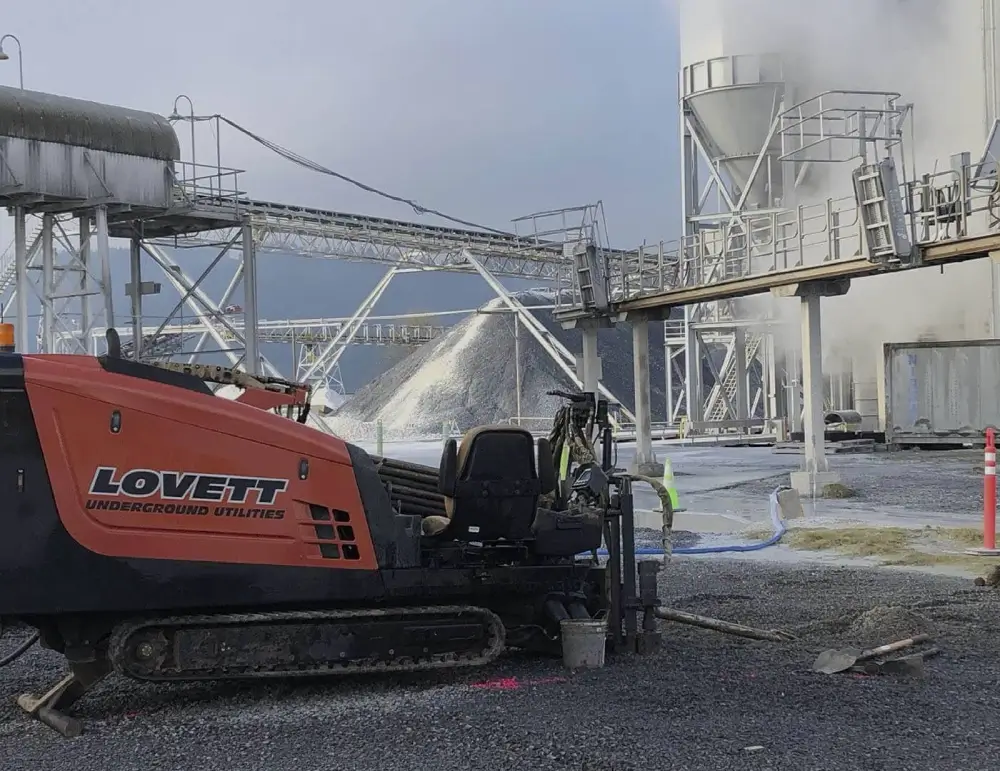
Heavy-duty plumbing, excavation, and infrastructure solutions for manufacturing plants, warehouses, food processing facilities, and industrial campuses across the Pacific Northwest.
Always available, day or night
Portland's trusted contractor
Oregon Licensed & Insured
Skilled, certified field team
1-year workmanship warranty
Industrial facilities operate at a scale and intensity that demands infrastructure partners with specialized heavy-duty capabilities. A plumbing failure in a manufacturing plant can halt production lines, trigger environmental compliance violations, and cost tens of thousands of dollars per hour in downtime. Lovett Services has served Portland’s industrial sector since 1997, developing the specialized expertise to handle the complex underground networks, high-capacity systems, and strict regulatory requirements of industrial operations. Our team understands that in an industrial environment, the stakes are always higher, and we respond accordingly.
Purpose-built capabilities for manufacturing plants, warehouses, and industrial facilities.
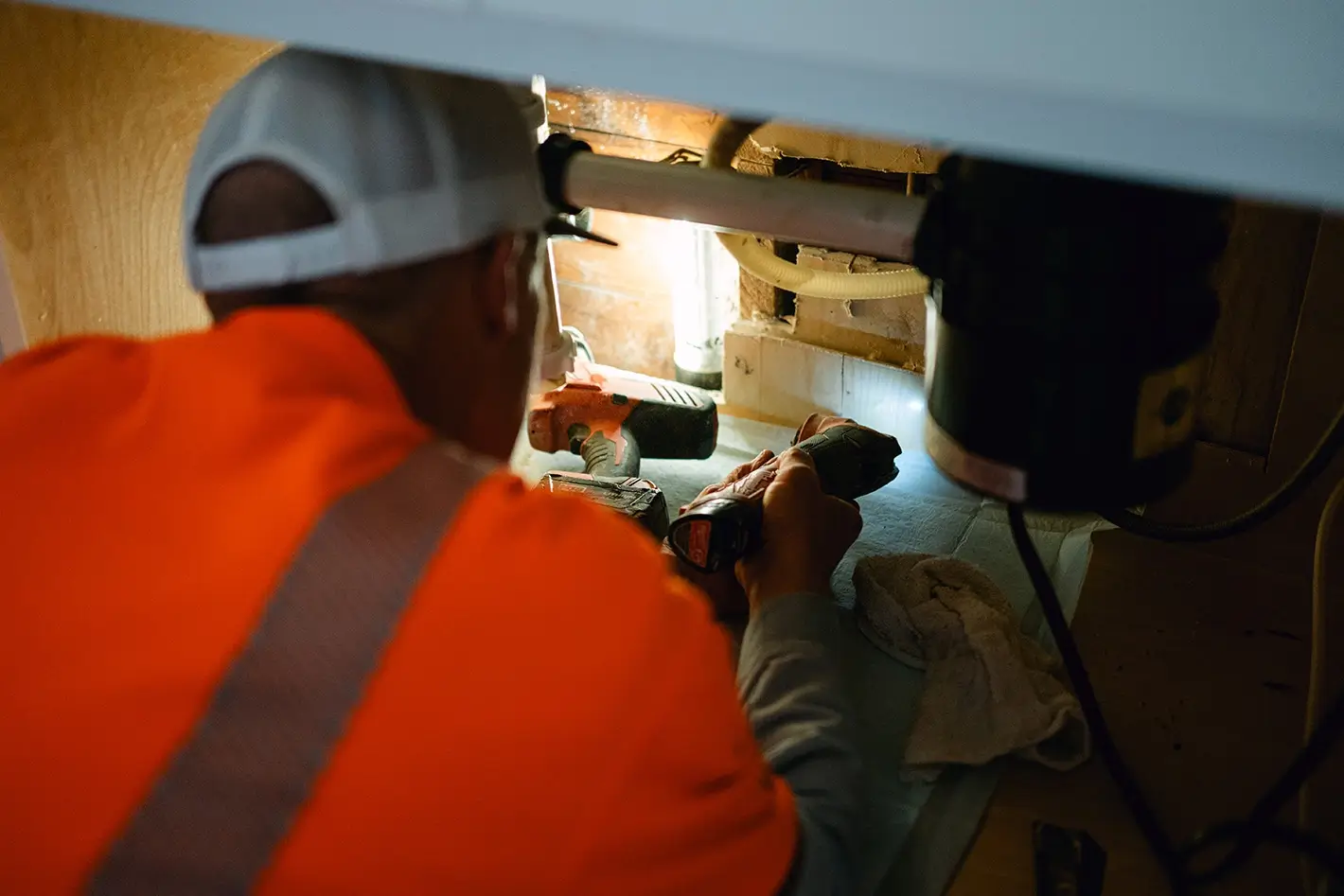
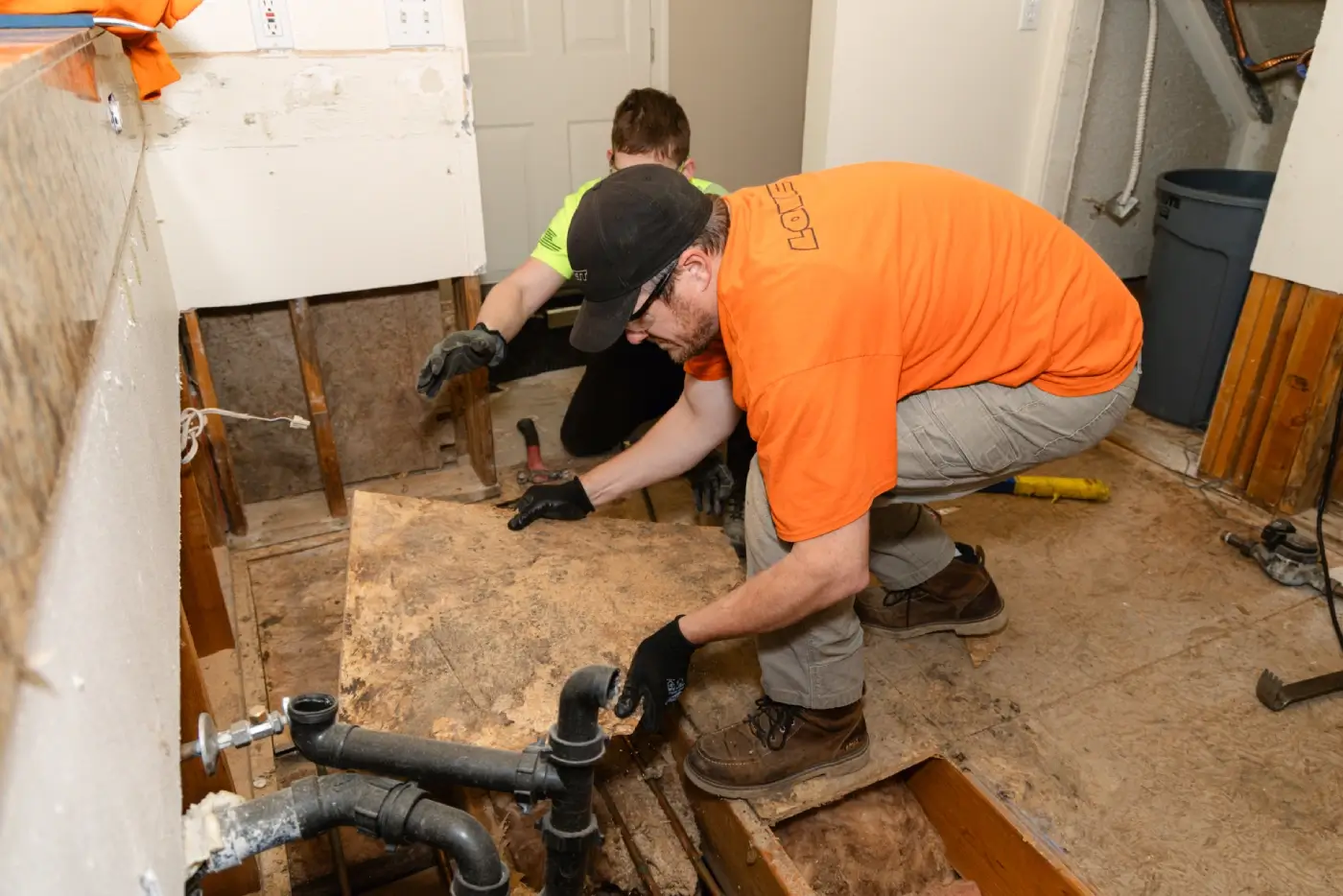
Heavy-duty process water line installation, sewer rehabilitation, fixture service, and 24/7 emergency plumbing for manufacturing and industrial facilities.
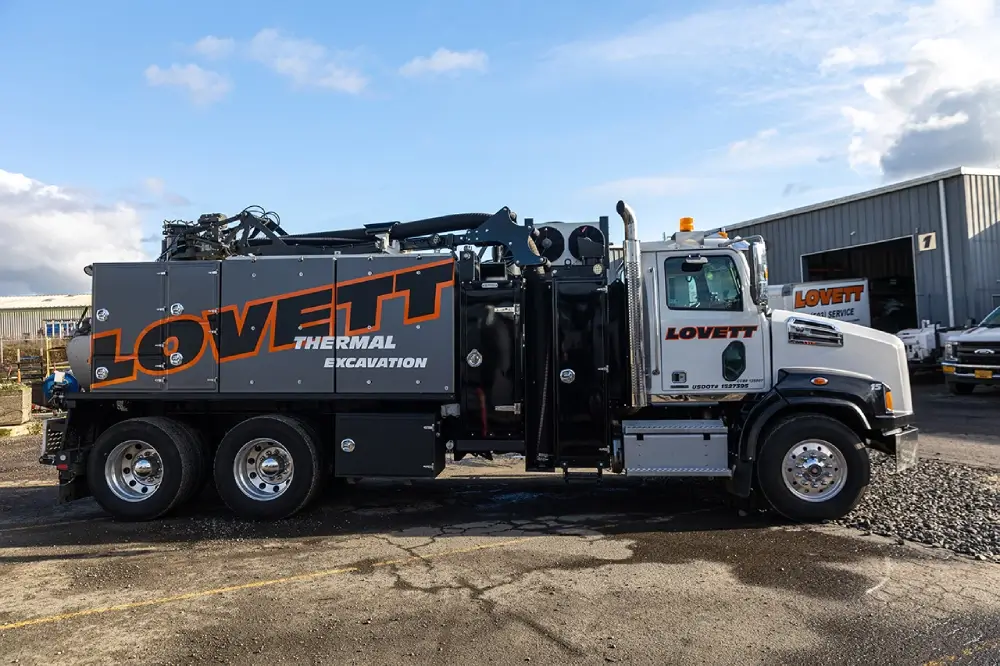
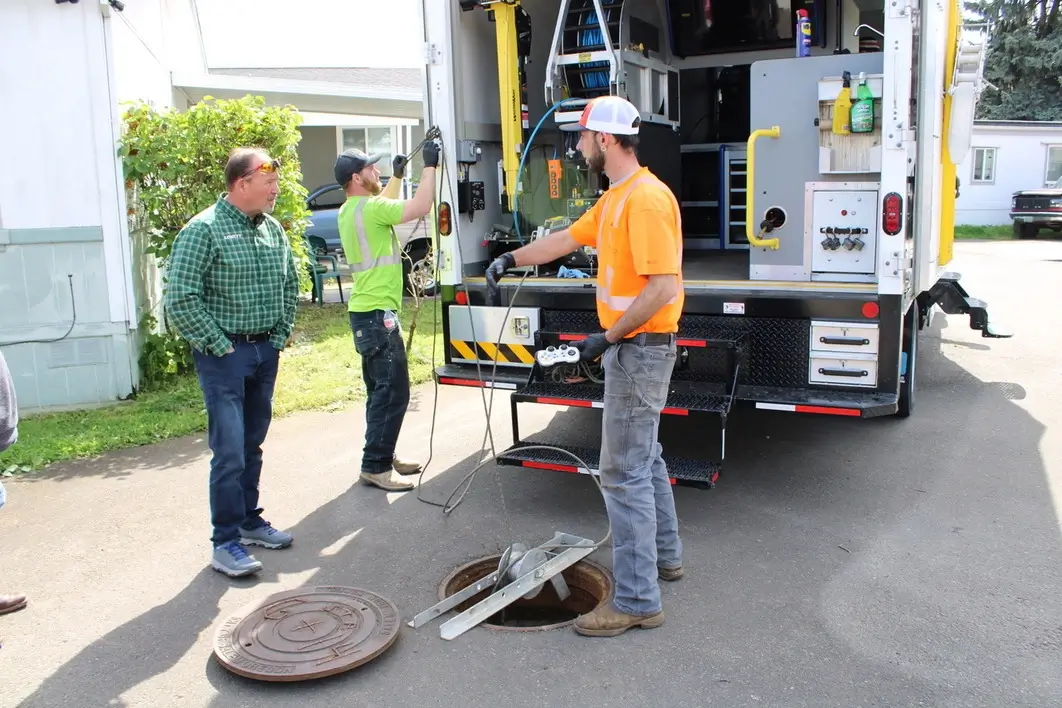
Industrial-grade vacuum extraction for debris removal, tank cleaning, confined space prep, and emergency pump station response.
Heavy-duty excavation, sewer rehabilitation, and civil site work for industrial parks and manufacturing facilities.

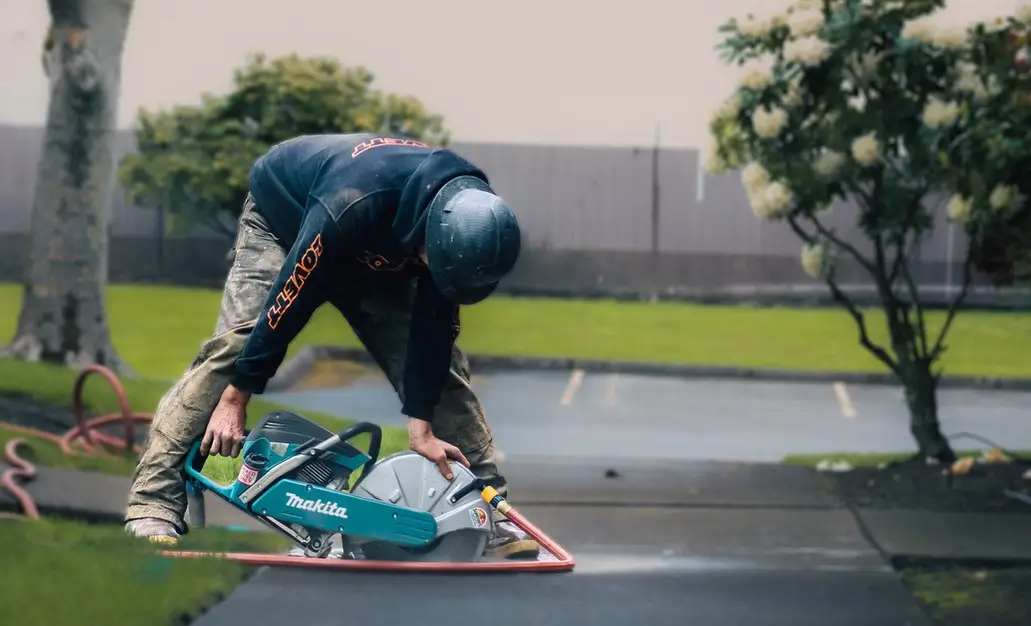
Non-destructive utility exposure and precision trenching that protects buried infrastructure in complex industrial environments.

“Josh and Matt worked with me to camera the line, dig, shore, jackhammer, repair, and refill, all within the constraints of a facility open to the public. Lovett consistently exceeds expectations and provides quality service where others fall short.”
Facilities Mgr., Lan Su Chinese Garden
Years in Business
Heavy-Duty Fleet
24/7 Emergency
Industrial facilities concentrate buried utilities, regulated discharge streams, and process dependencies in ways that demand a contractor who understands the stakes.

Industrial campuses accumulate decades of buried infrastructure, gas mains, high-voltage conduit, fiber trunks, much of it imprecisely mapped. Under ASCE 38-22, a Quality Level A pothole is the only method that produces physically verified utility location data. A single backhoe strike on a buried gas main can trigger facility-wide evacuation, PHMSA incident reporting, and liability that dwarfs the cost of a week's work. We pothole first, every time.
Oregon DEQ's 1200-Z NPDES General Permit applies to any facility where industrial activity exposes materials to precipitation: vehicle yards, fueling areas, loading docks. Covered facilities must maintain a Stormwater Pollution Control Plan and respond to benchmark exceedances within 30 days. During a DEQ inspection, undocumented discharge pathways can result in consent orders and civil penalties. All civil work we perform accounts for stormwater pathways from day one.
Under Oregon DEQ's Industrial Pretreatment Program (40 CFR Part 403), facilities discharging process wastewater to the municipal sewer must meet categorical pretreatment standards: oil/water separators, chemical neutralization sumps, and documented BMPs. Improper discharge results in permit violations, sewer surcharges, and potential removal from the municipal system. We install, rehabilitate, and service pretreatment infrastructure to keep you compliant.
Every industrial project follows a structured protocol designed for operational environments where an unplanned outage or compliance miss can cost far more than the infrastructure work itself.
We begin with a site walk to identify all relevant buried utilities, review as-built drawings, and call 811 Oregon One-Call for public utility locates. For any excavation, OSHA 29 CFR 1926 Subpart P requires a competent person to classify soil conditions and designate protective systems before a shovel breaks ground. Confined space inventory is completed at this stage per OSHA 1910.146 so entry permits are ready before crew mobilization.
Depending on project scope, we coordinate permits with the Oregon DEQ, the local city right-of-way authority, and any applicable industrial stormwater program. For projects disturbing an acre or more, a 1200-C construction stormwater permit is required. When process drain lines or pretreatment equipment are involved, we coordinate with the local approved pretreatment authority to ensure installation meets discharge permit conditions before tie-in.
Field crews mobilize with the equipment matched to the job: hydrovac trucks for utility exposure, trench shields and hydraulic shoring for open-cut excavation, and confined space atmospheric monitors for any vault or manhole entry. OSHA 29 CFR 1926 Subpart P requires protective systems (sloping, shoring, or trench shields) in all excavations deeper than five feet. All confined space entries follow a written permit, atmospheric testing with a 4-gas monitor, and an attendant stationed above. No exceptions.
On project completion we deliver a close-out package: as-built drawings, material documentation, any required DEQ inspection reports, and system commissioning data. Facilities with stormwater discharge permits receive a site-specific record suitable for their environmental compliance files. All work is backed by a one-year workmanship warranty, critical for industrial facilities that run continuous operations and cannot absorb callback surprises.

Straight answers to the questions industrial facility managers ask most when evaluating a contractor for infrastructure work.
Hydro excavation uses pressurized water to break up soil, which is then removed by a high-powered vacuum into a debris tank. The key advantage over mechanical digging is precision: the hydrovac can expose a buried pipe or conduit without making contact with it. Under the ASCE 38-22 Subsurface Utility Engineering standard, this is the only method that achieves Quality Level A verification of utility depth and horizontal alignment. Industrial campuses frequently have utilities that were installed across multiple eras, added by different tenants, and never consolidated into a single set of accurate drawings. In those conditions, mechanical excavation near a natural gas line or a high-voltage duct bank is unacceptably dangerous. We use hydro excavation to pothole and daylight utilities before any open-cut excavation begins.
Likely yes, if your facility involves industrial activity that exposes materials to precipitation or stormwater runoff. Oregon DEQ’s 1200-Z Industrial Stormwater General Permit (an NPDES permit) covers a wide range of Standard Industrial Classification codes, including manufacturing, transportation, construction materials storage, recycling facilities, and vehicle maintenance operations. Facilities that discharge stormwater to a surface water or a conveyance system (storm drains, ditches) that eventually reaches a surface water are required to register under the 1200-Z, develop a Stormwater Pollution Control Plan, and conduct quarterly monitoring with benchmark comparisons. Failure to hold a required permit is an unpermitted discharge: a Clean Water Act violation. If you are unsure whether your SIC code is covered, DEQ’s online permit evaluator is the starting point, and we can help you interpret results.
Oregon DEQ administers the Industrial Pretreatment Program under federal authority delegated by the EPA (40 CFR Part 403). Any industrial or commercial user that discharges non-domestic process wastewater to a publicly owned treatment works (POTW), a municipal sewer, is subject to general pretreatment regulations. At minimum this prohibits discharges that could damage sewer infrastructure, interfere with treatment plant operations, or pass through the plant into surface waters in excess of applicable limits. Facilities in sectors with federal categorical pretreatment standards (electroplating, metal finishing, food processing, etc.) face additional numeric effluent limits. In practice, most industrial facilities need properly installed and maintained oil/water separators or chemical neutralization systems to meet these standards. Our crews size, install, and service this equipment in coordination with the local pretreatment authority.
The process starts before any equipment leaves the yard. We call 811 Oregon One-Call at least three business days in advance to obtain utility locates for all public underground lines. For private utilities within the facility boundary, which Oregon law does not require public utilities to mark, so we review as-built drawings, interview your facilities team, and use ground-penetrating radar or hydrovac potholing to verify depths and alignments. Within the established tolerance zone (18 inches either side of a marked utility in Oregon), all excavation is done by hand tool or hydrovac only. No mechanical equipment. Our field supervisors are trained to the competent-person standard under OSHA 29 CFR 1926 Subpart P, which includes evaluating conditions that may change during the dig.
Yes. Scheduling around production is one of the core competencies we bring to industrial clients. We regularly work nights, weekends, and planned shutdown windows to minimize the impact on your operations. For projects that require cutting into an active sewer or process drain, we develop a bypass pumping plan to maintain flow continuity during tie-in. Directional drilling and trenchless methods can often route new utilities beneath production floors or active yard areas without the surface disruption an open cut would require. We also coordinate with your operations team to sequence work phases so no single utility outage leaves a production line dark for longer than necessary. Our 24/7 dispatch capability means that if an emergency arises during a planned nighttime window, our crew does not have to call it until morning.
OSHA defines a permit-required confined space (29 CFR 1910.146) as any space large enough for a worker to bodily enter, with limited means of entry or exit, that is not designed for continuous occupancy, and that contains or has the potential to contain a serious safety hazard. In industrial plumbing this includes manholes, pump stations, chemical sumps, vaults, and large-diameter pipe segments. Entering any permit-required confined space without a written entry permit, atmospheric testing (oxygen, flammables, toxic gases), ventilation, attendant, and a rescue plan is an OSHA violation. Our crews are trained and equipped for confined space entry: 4-gas monitors, mechanical ventilation blowers, tripod and retrieval systems, and a dedicated attendant at every entry. We pull permits, document atmospheric readings before and during entry, and can provide rescue capability on site for extended operations.
From emergency extraction to complex sewer rehabilitation, Lovett Services provides the heavy-duty capabilities and regulatory expertise that industrial operations demand.