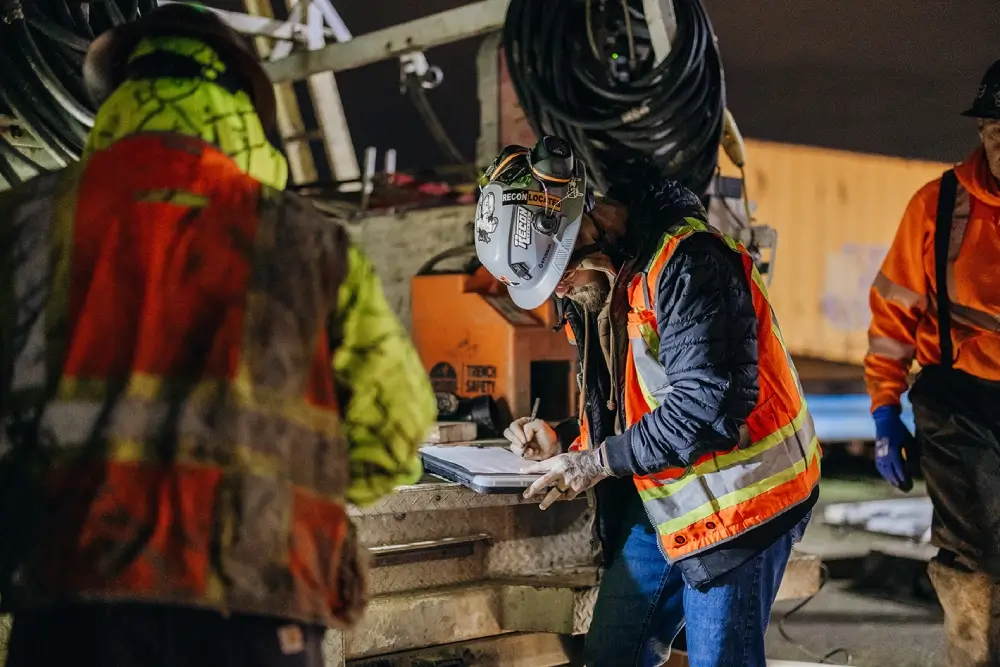
A new line pulled through the old one from two small pits, so the yard, the driveway and the parking lot stay where they are.
Free on-site estimates · Written price before work starts · 1-year workmanship warranty
Always available, day or night
Portland's trusted contractor
Oregon Licensed & Insured
Skilled, certified field team
1-year workmanship warranty
Pipe bursting is an advanced trenchless technology that replaces failing, outdated, or undersized pipes without the need for continuous trenching. The process works by pulling a bursting head through the existing damaged pipe, this specialized equipment forcefully shatters the old pipe outward into the surrounding soil while simultaneously pulling a brand-new high-density polyethylene (HDPE) pipe into the exact same cavity.
Unlike traditional open-cut replacement, pipe bursting requires only two small access points, an entry pit and a receiving pit, saving you from the secondary costs of replacing parking lots, concrete, and landscaping.
From sewer lateral replacement to water main upgrades, our certified trenchless crews handle the full range of commercial and municipal pipe bursting needs with minimal impact to your property or operations.
A proven four-step approach that protects your property and delivers a new pipe line with minimal disruption to your operations.
Camera inspection confirms pipe condition, size, and layout. We identify optimal entry and receiving pit locations.
Two small pits are excavated at each end. No continuous trench across your property.
The bursting head is pulled through the old pipe, fragmenting it outward while the new HDPE pipe follows directly behind.
A post-burst camera inspection confirms the new line is perfectly seated, then we restore both access points.

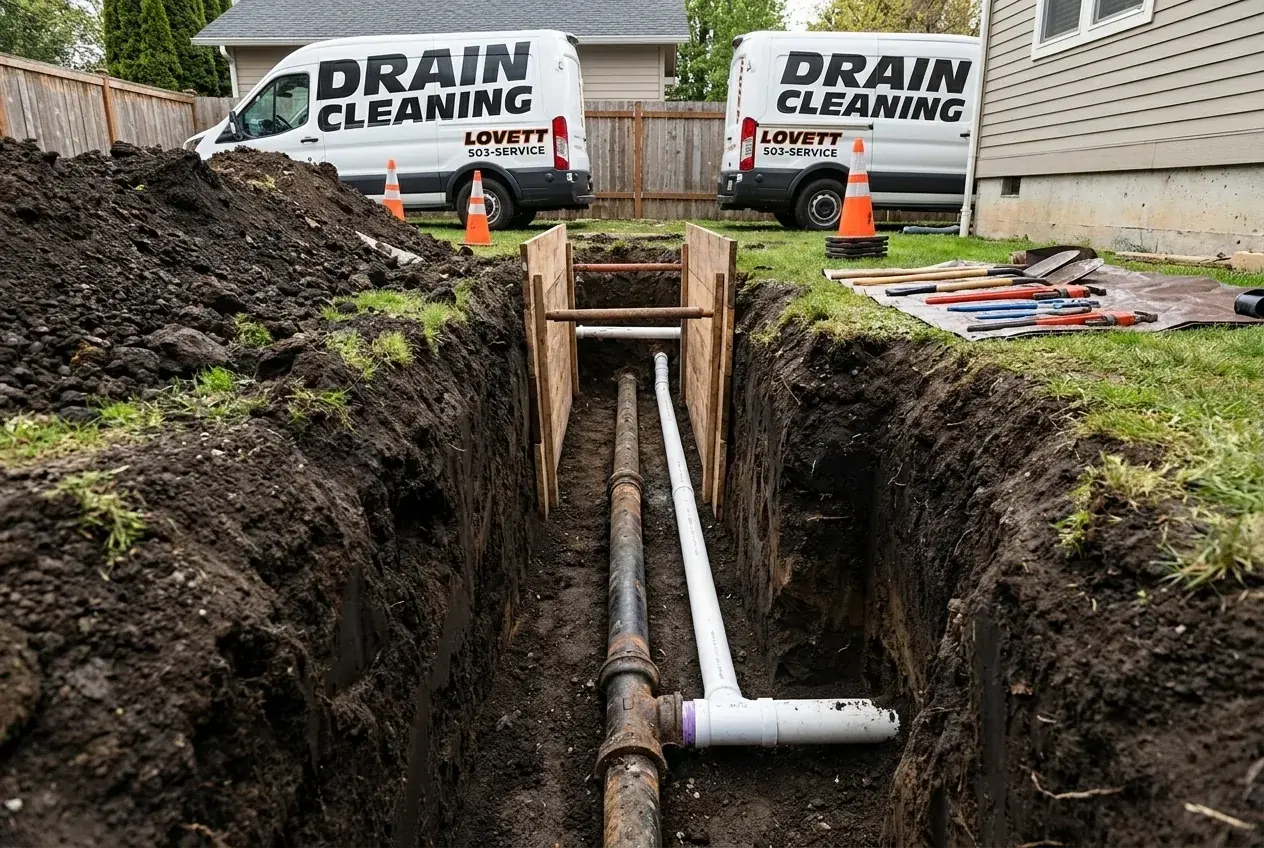
The reason most people end up here is the front garden. The lateral has failed, an open-cut quote has arrived, and the quote is mostly the driveway, the front path, the mature planting and the lawn rather than the pipe. Trenchless changes that arithmetic. Two pits, each roughly two to three feet across, usually one near the house and one near the property line, and everything between them is replaced from underground.
Practically: plan on being without normal plumbing use for part of a day while the new pipe is pulled or the liner cures. Most residential trenchless jobs are completed in a single day once the diagnostic inspection has been done, which is a separate, earlier visit. Longer runs and awkward access add time, but multi-day residential projects are the exception rather than the rule. Compare that with open-cut, which routinely runs across several days of digging, laying, backfilling and then rebuilding whatever was on top.
Two honest caveats. First, not every line qualifies: a fully collapsed or badly bellied pipe may need excavation, and we will say so after the camera rather than after starting. Second, the up-front material and equipment cost of trenchless is real; what makes it the cheaper option overall is not having to repave a driveway or re-landscape a garden afterwards. On a property with nothing but open lawn over the line, open-cut is sometimes genuinely the better answer, and we will tell you that too.
For commercial, multifamily, and municipal properties where surface preservation and operational continuity matter, pipe bursting is often the most cost-effective and least disruptive replacement method available.
No trench means no expensive pavement or concrete replacement. Preserve landscaping with only two small pits instead of a full trench across your grounds.
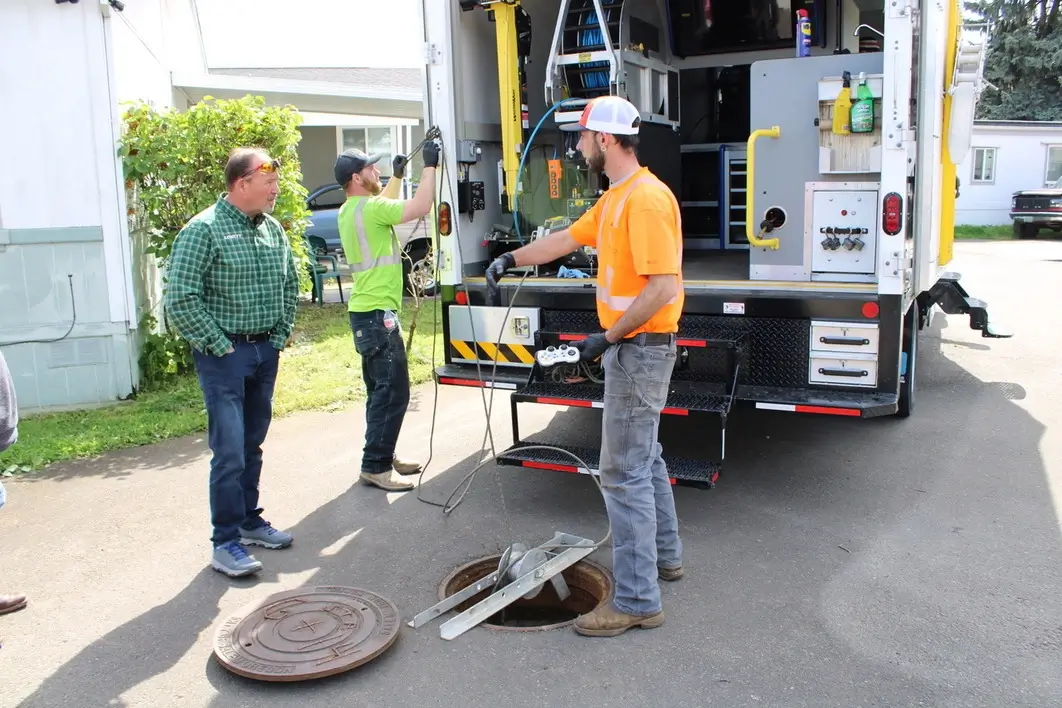
Significantly reduced on-site time compared to open-cut. When surface restoration costs are factored in, pipe bursting is often less expensive overall.

No roots, corrosion, or joint failures. HDPE can also be upsized, install a larger diameter pipe than the original to accommodate increased capacity.
Pipe bursting is highly versatile and serves multiple utility upgrade needs across multifamily, commercial, industrial, and municipal properties.
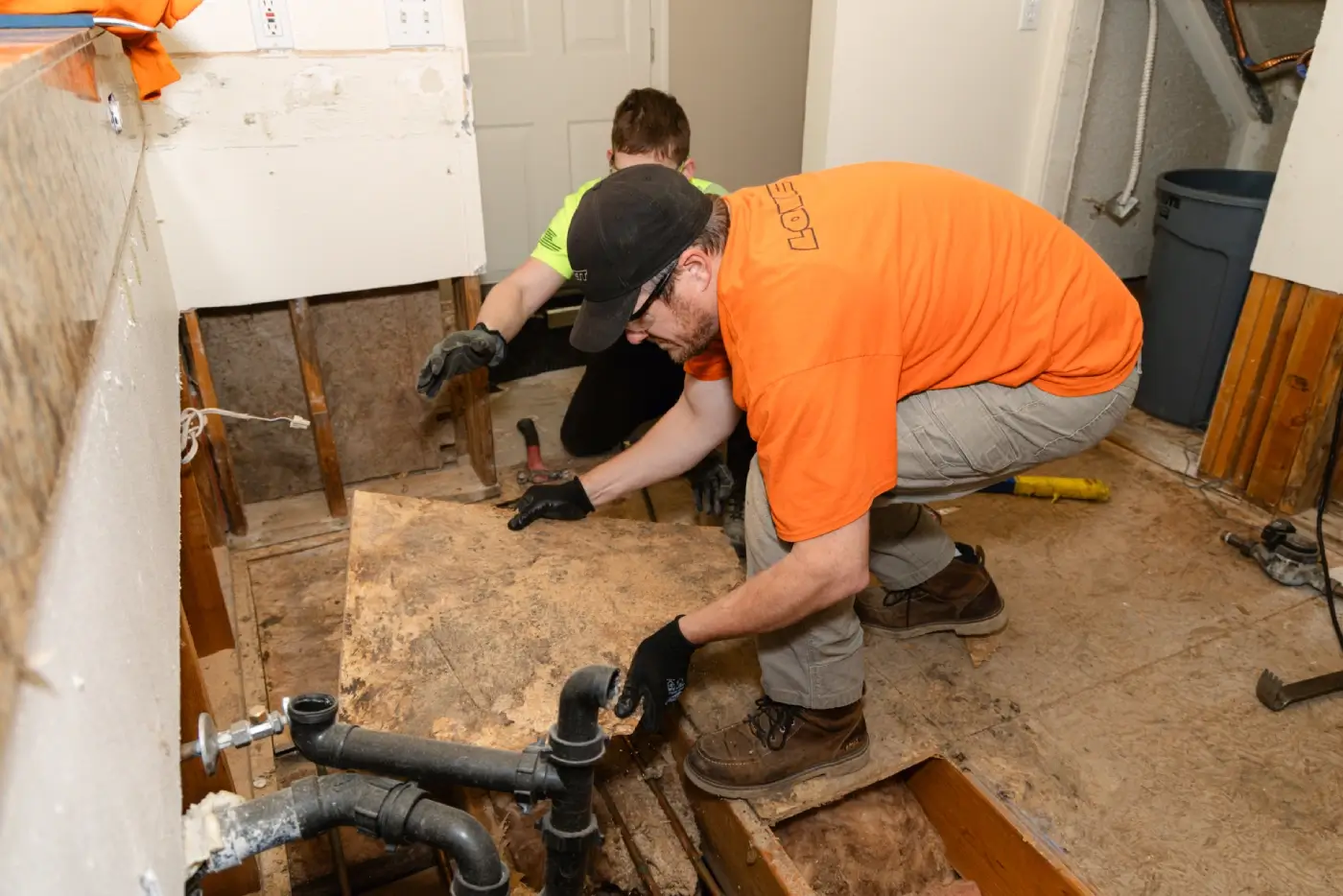
Failing sewer laterals cause recurring backups that lead to serious property damage and tenant complaints. We use pipe bursting to replace aging or collapsed laterals, completely eliminating root intrusion and structural failures.

As commercial properties expand and municipal codes change, existing main lines often become undersized. Pipe bursting allows us to replace and simultaneously upsize the line to accommodate higher flow capacities.

Water line bursts or persistent subsurface leaks risk severe structural damage. Our trenchless replacement restores domestic water supply or fire lines with smooth HDPE piping and minimal surface excavation.

In many older neighborhoods and industrial zones throughout the Portland metro area, adjacent properties often share a single sewer line, known as a party sewer, before connecting to the city main. While historically common, shared lines are highly prone to capacity issues, shared liability for blockages, and complex legal disputes between property owners.
The City of Portland frequently requires party sewer line separation when properties undergo major redevelopment, division, or sale. Lovett Services specializes in party sewer line separation, helping commercial and multifamily property owners achieve independent connections to the public right-of-way. Utilizing trenchless pipe bursting, we can often establish these new, independent lateral lines without devastating shared property boundaries or disrupting business operations, ensuring full compliance with local public works regulations.
Shared lines create joint liability for blockages and backups between property owners
Portland mandates separation during major redevelopment, subdivision, or property sales
Capacity issues increase as each property expands independently over time
Independent lines allow each owner to maintain, upgrade, or repair without coordination
Trenchless separation minimizes impact on shared boundaries and neighbor properties
High-density polyethylene pipe is the gold standard for trenchless replacement, resistant to root intrusion, chemical corrosion, and ground movement with a 50+ year service life. When we install a new line via pipe bursting, you’re investing in infrastructure that outlasts traditional materials by decades.
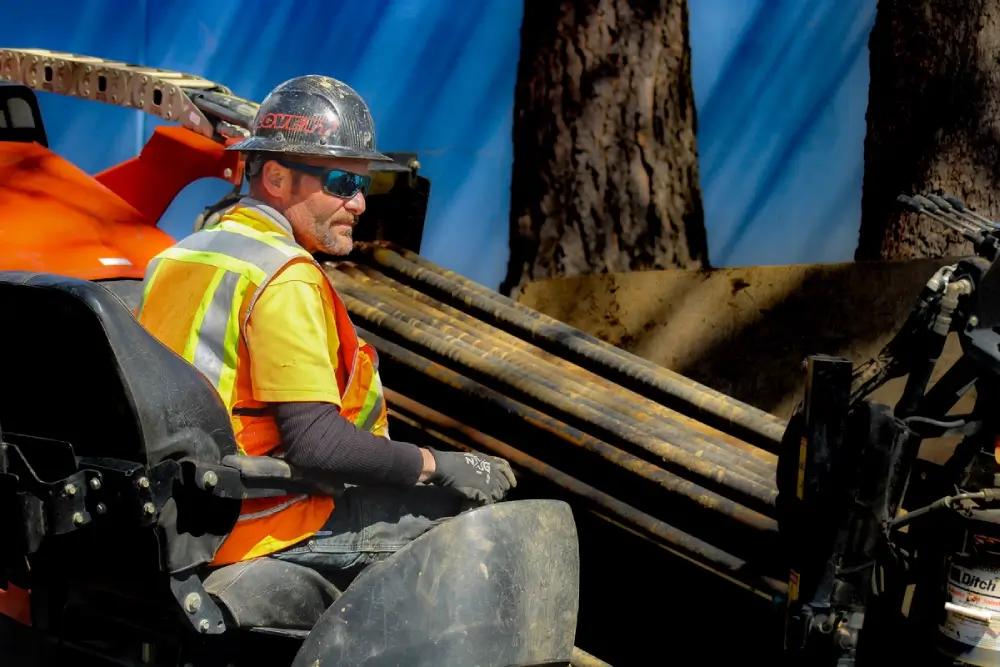
Explore the full range of trenchless solutions for your commercial, multifamily, or municipal property.
Lovett Services brings the same precision and professionalism to every trenchless and excavation discipline.
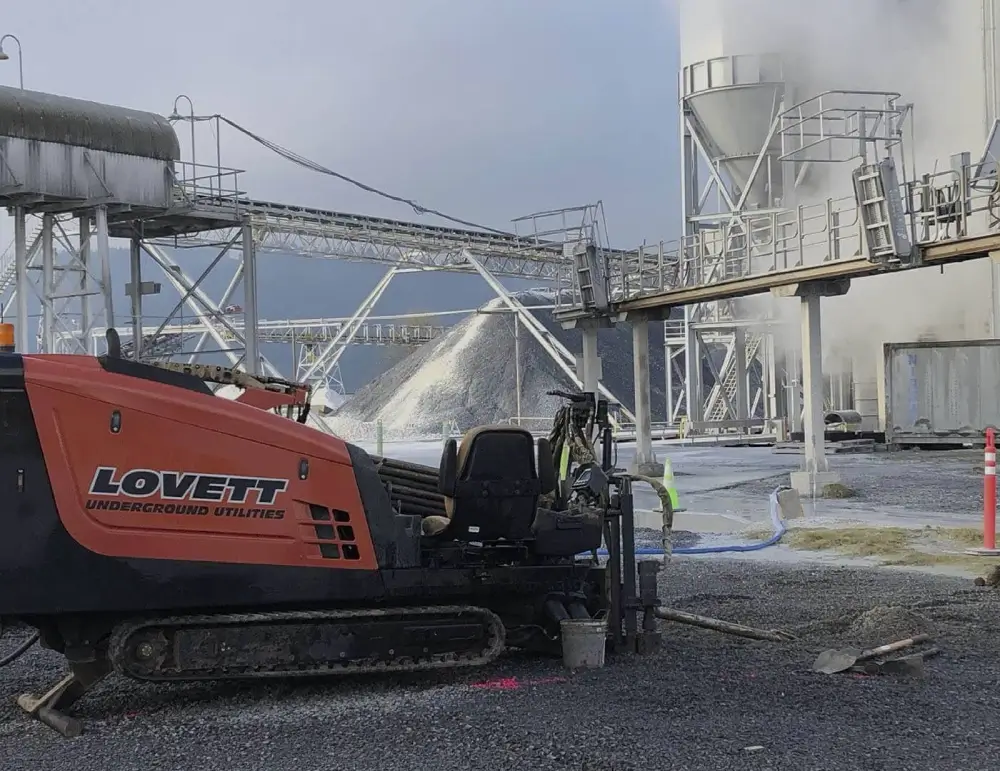
Horizontal directional drilling for underground utility installation without surface disruption, often used alongside pipe bursting on complex projects.
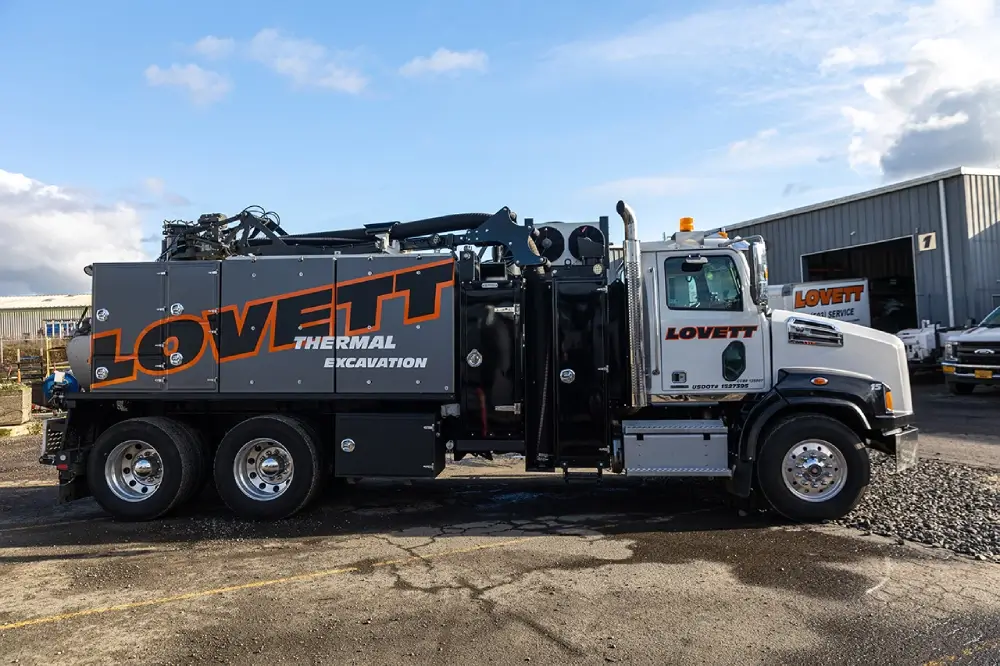
Non-destructive utility potholing and daylighting, the essential pre-project safety step before any pipe work or drilling begins.
24/7 emergency response, sewer line repair, and full-service plumbing maintenance for commercial, multifamily, and municipal properties.
Real results from homeowners and property managers across the Portland metro area.
“Lovett responded immediately and sent Brad Parsons, who went straight to work to identify the breaks. He repaired all burst pipes from the ice storm with amazing efficiency. We enthusiastically recommend Lovett.”
Portland Homeowner
“Cody replaced the burst pipe quickly. Then Daniel and Steve arrived for remediation, not just thorough and efficient, they brought smiles and great attitudes every day. Highly recommend Lovett for any plumbing needs.”
Portland Homeowner
These guys were extraordinary, Gary and his crew worked through the night to restore water and sewage to 26 homes. A dedicated crew that didn’t just clock out after 8 hours. I’ll recommend Lovett to anyone needing a professional, knowledgeable crew for a tough situation.
Columbia Way West
Common questions from property managers and facility directors about pipe bursting.
The cost of pipe bursting varies based on the pipe’s depth, diameter, total length, and the complexity of the access pits required. However, because it avoids the significant costs associated with tearing up and restoring concrete, asphalt, and mature landscaping, pipe bursting is often more cost-effective overall than traditional open-cut trenching. We provide detailed, written bids for all commercial and municipal projects.
Pipe bursting works on most pipe materials including clay, cast iron, concrete, and PVC. It’s ideal for failing sewer lines, deteriorating water mains, and undersized pipe systems in commercial, multifamily, and municipal properties.
Yes. One of the key advantages of pipe bursting is the ability to upsize, installing a larger diameter HDPE pipe than the original. Depending on soil conditions and surrounding utility clearances, we can often install a new pipe one to two sizes larger in diameter to accommodate increased commercial or municipal capacity.
Minimal. Unlike full open-cut trenching, pipe bursting only requires two small access pits, one at each end of the pipe being replaced. This means far less damage to parking lots, landscaping, concrete, and hardscaping than traditional excavation.
Project duration depends on the pipe length, depth, and site conditions. Most commercial pipe bursting projects are completed in one to two days, many runs are completed within a single day. Compare this to traditional open-cut replacement, which can take a week or more when accounting for trenching, pipe installation, and surface restoration.
Pipe bursting is ideal when the existing pipe is straight or has minimal bends, the surrounding soil is stable, and surface preservation is a priority. In some cases: such as when completely rerouting a line, traditional excavation may still be necessary. We assess each project individually and recommend the most cost-effective approach.
It is replacing or rehabilitating an underground pipe without opening a trench along its length. Two small access pits are dug, one at each end of the run, and the work happens through them. Either a bursting head is pulled through the old pipe while towing a new one into its place, or a resin-saturated liner is inserted and cured to form a new pipe inside the old one. Heavy leaks, collapses and root intrusion are fixed without the surface above the line coming up.
Lining, or CIPP, is used when the existing pipe is cracked or locally damaged but still holds its shape; a resin-saturated liner is cured in place and becomes a new jointless pipe inside the old one. Bursting is used when the pipe is too far gone to support a liner; a conical head fractures the old pipe outward into the soil while a new HDPE pipe is pulled into the cavity behind it. Bursting can also install a larger diameter than the original. The camera inspection determines which method the line can take.
No, and any contractor who says otherwise is selling rather than assessing. A pipe that has fully collapsed and lost its path cannot guide a bursting head. A severely bellied line replaced along its existing grade is still bellied. Rerouting a line, unstable surrounding soil and tight clearances to other utilities all point to excavation. We determine eligibility during the camera inspection, before quoting, and we will recommend open-cut when open-cut is right.
Typically two access pits, each roughly two to three feet across. On a house that is usually one near the foundation and one near the property line or street connection. On a commercial site the pits are placed to keep access routes open, and where they fall on asphalt or concrete the surface is saw cut so the restoration is a clean patch. The long run between the pits is replaced underground with nothing opened above it.
Dispatch reads every request and the right crew calls you back. For an active leak or backup, call instead.
Read by our dispatch team, normally answered within one business day. For an active leak or backup, call 971-204-8148 instead.
971-204-8148. A live dispatcher answers 24/7, including weekends and holidays.
info@lovettservices.com
6920 NE 42nd Ave
Portland, OR 97218
Mon to Fri 7am to 5pm
24/7 Emergency Dispatch
Lovett Services provides expert trenchless pipe bursting for commercial, multifamily, and municipal properties across Portland and the Pacific Northwest, protecting your hardscapes and minimizing downtime.