Always dispatching
29 years of service
500+ verified reviews
On all workmanship
In-house crews
Lovett is a licensed residential plumber for the Portland area that has repaired and replaced house drains, sewer laterals, water heaters and supply lines since 1997, with a written price before the work starts and a 1-year workmanship warranty. A water heater that quit overnight, a kitchen line that will not drain, a sewer lateral full of roots: the same crews handle all three.
Portland-area housing stock spans a century, and the plumbing rarely got replaced at the same pace as the kitchens above it. Galvanized steel supply from before 1970 corrodes from the inside until the flow drops and the water runs rusty. Polybutylene, installed from the late 1970s through the mid-1990s, fails at its fittings. Clay tile and Orangeburg sewer laterals were laid in short jointed sections, and tree roots find every joint, which is why the same drain backs up every winter no matter how many times it gets snaked.
Lovett has worked on these systems since 1997. A camera goes down the line before anything gets quoted, so the repair matches the actual condition of the pipe instead of the symptom at the sink. The same crews and the same equipment also serve apartment buildings, offices and retail, hotels, plants and distribution centers and public works departments. That is why a jetter, a camera reel, an excavator and a directional drill are all on one dispatch board. A house gets the machine the job needs, not the machine that happened to be on the truck.
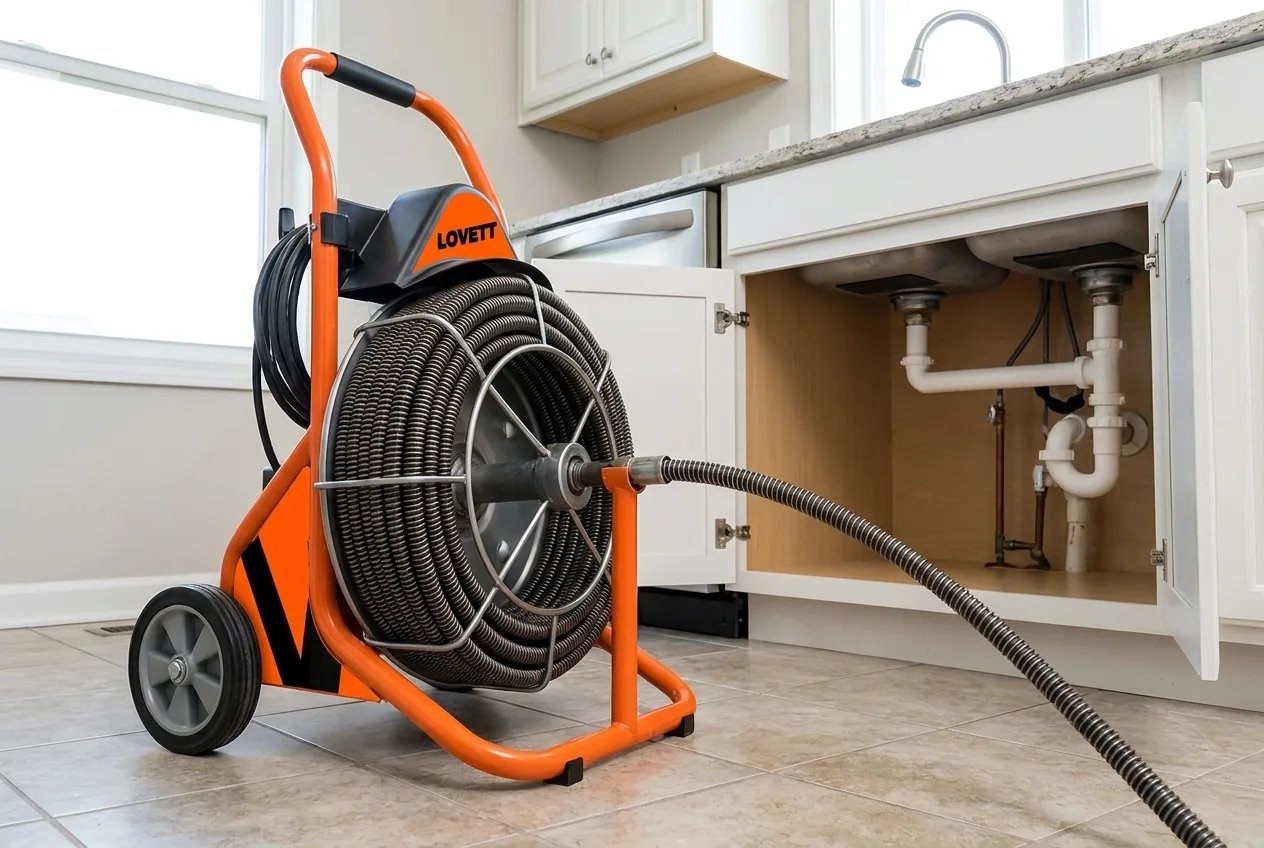
Cabling for the clog in front of you, high-pressure jetting for the line that keeps closing up.
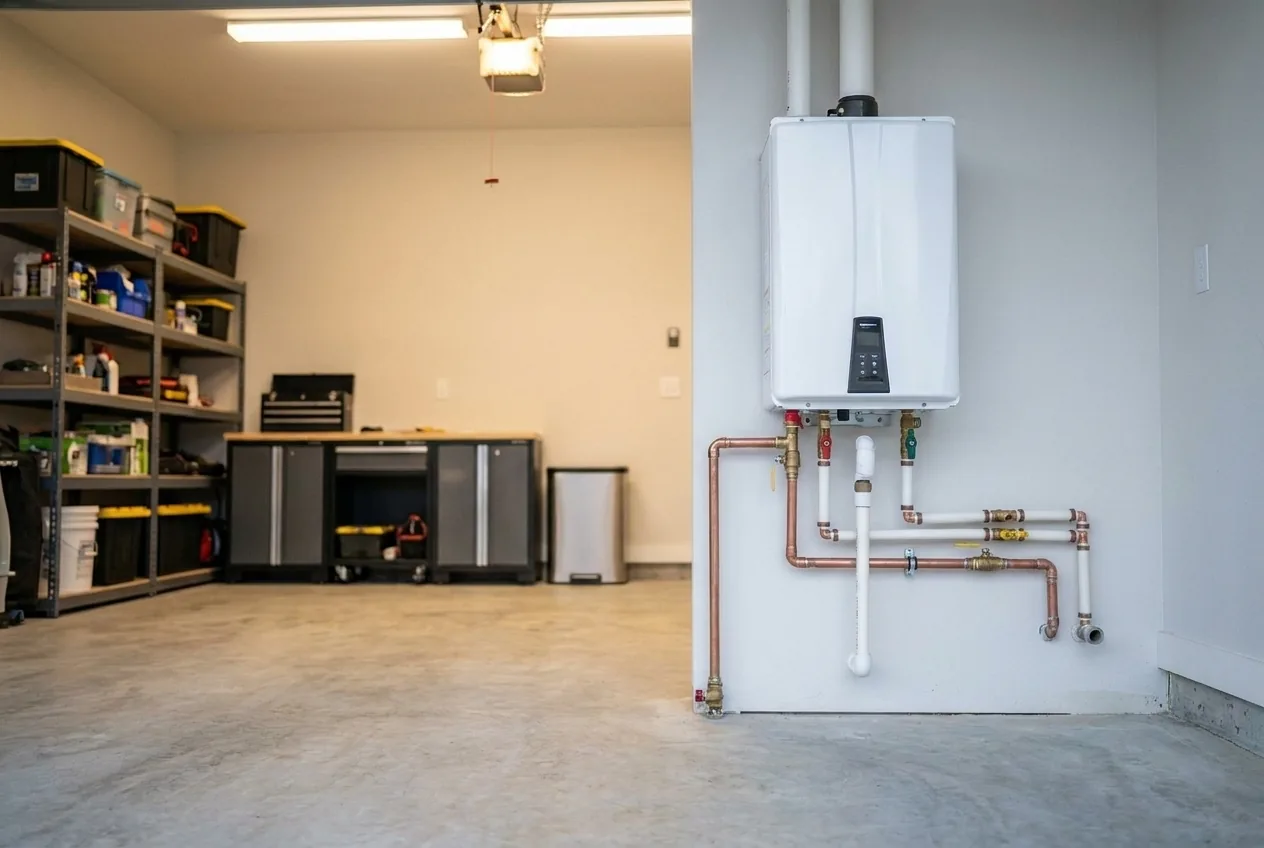
Tank, tankless and heat pump. Permit pulled, installed to Oregon code.
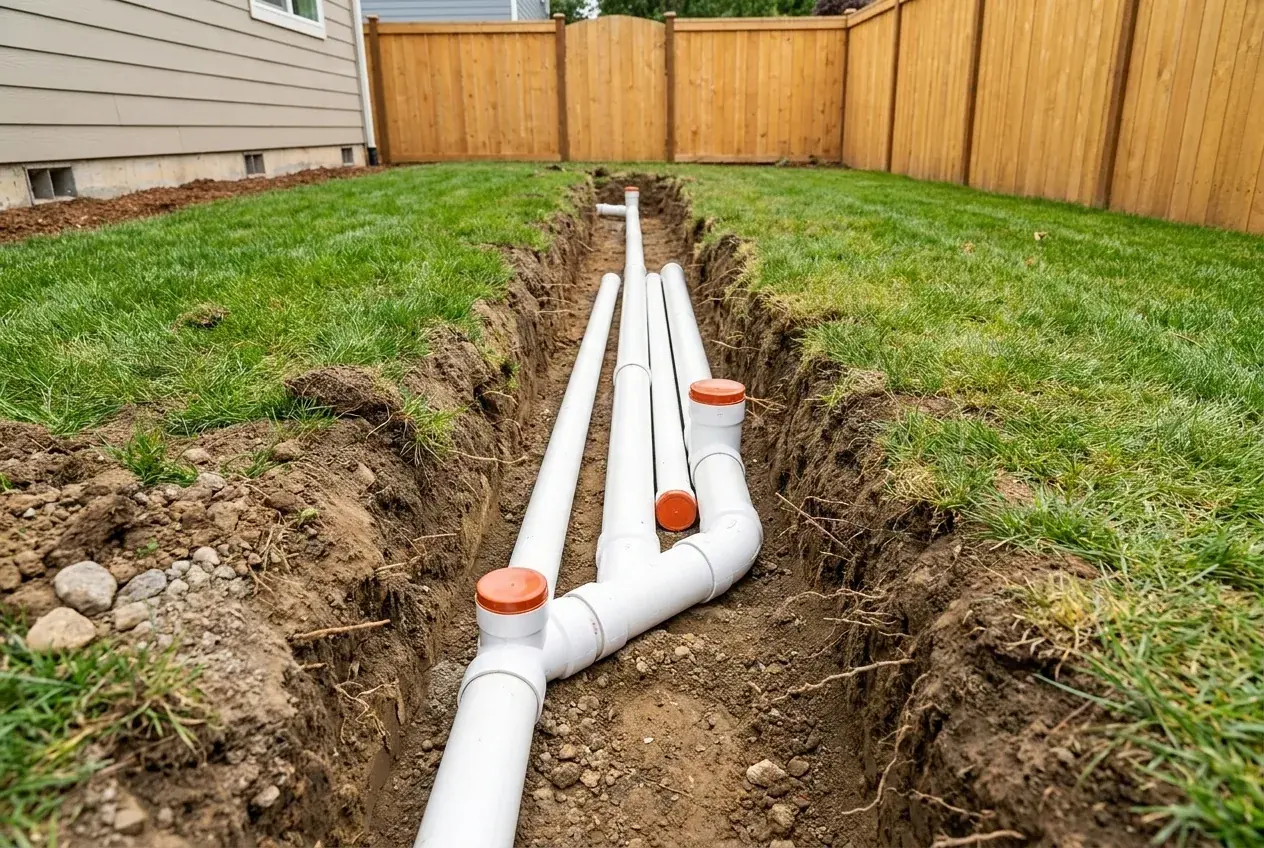
Spot repairs and full lateral replacement, open cut or trenchless.
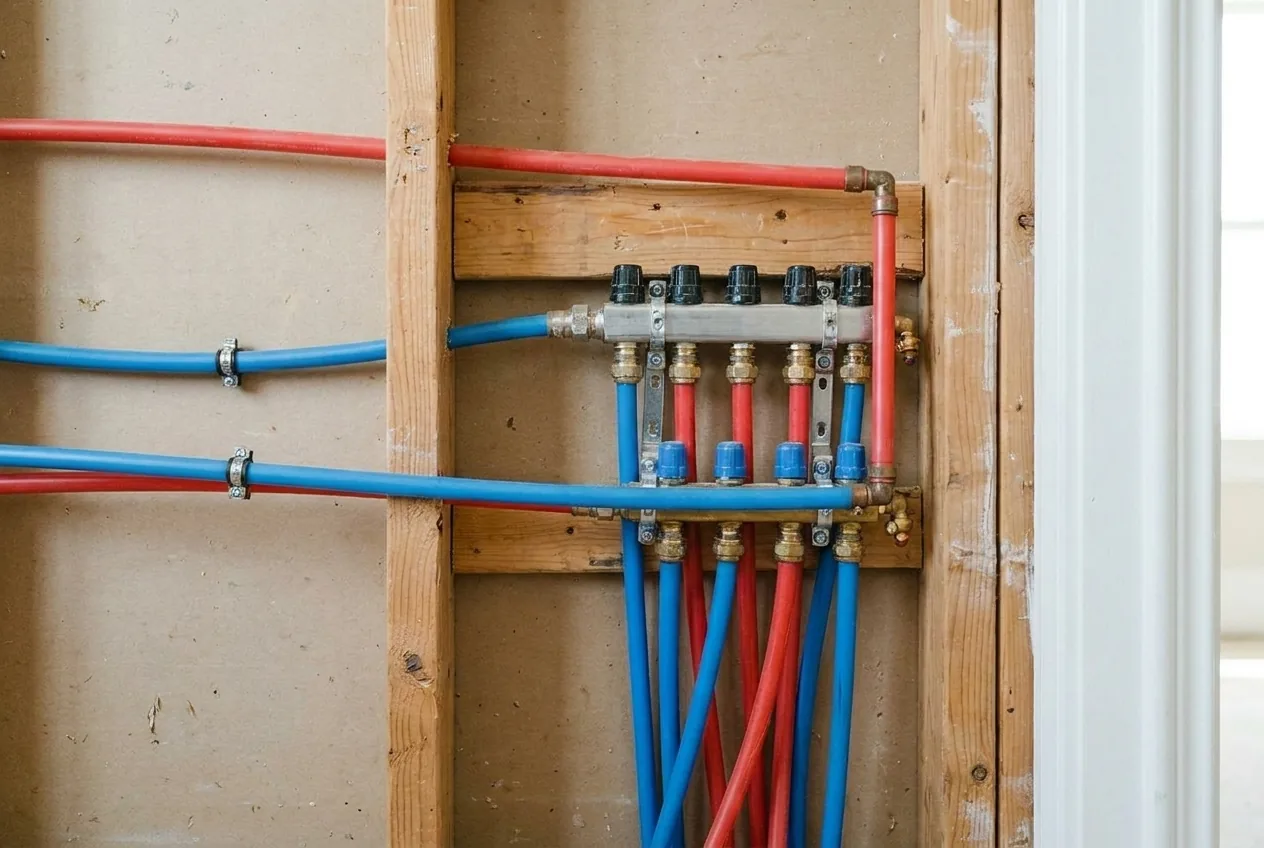
PEX or copper, whole house.
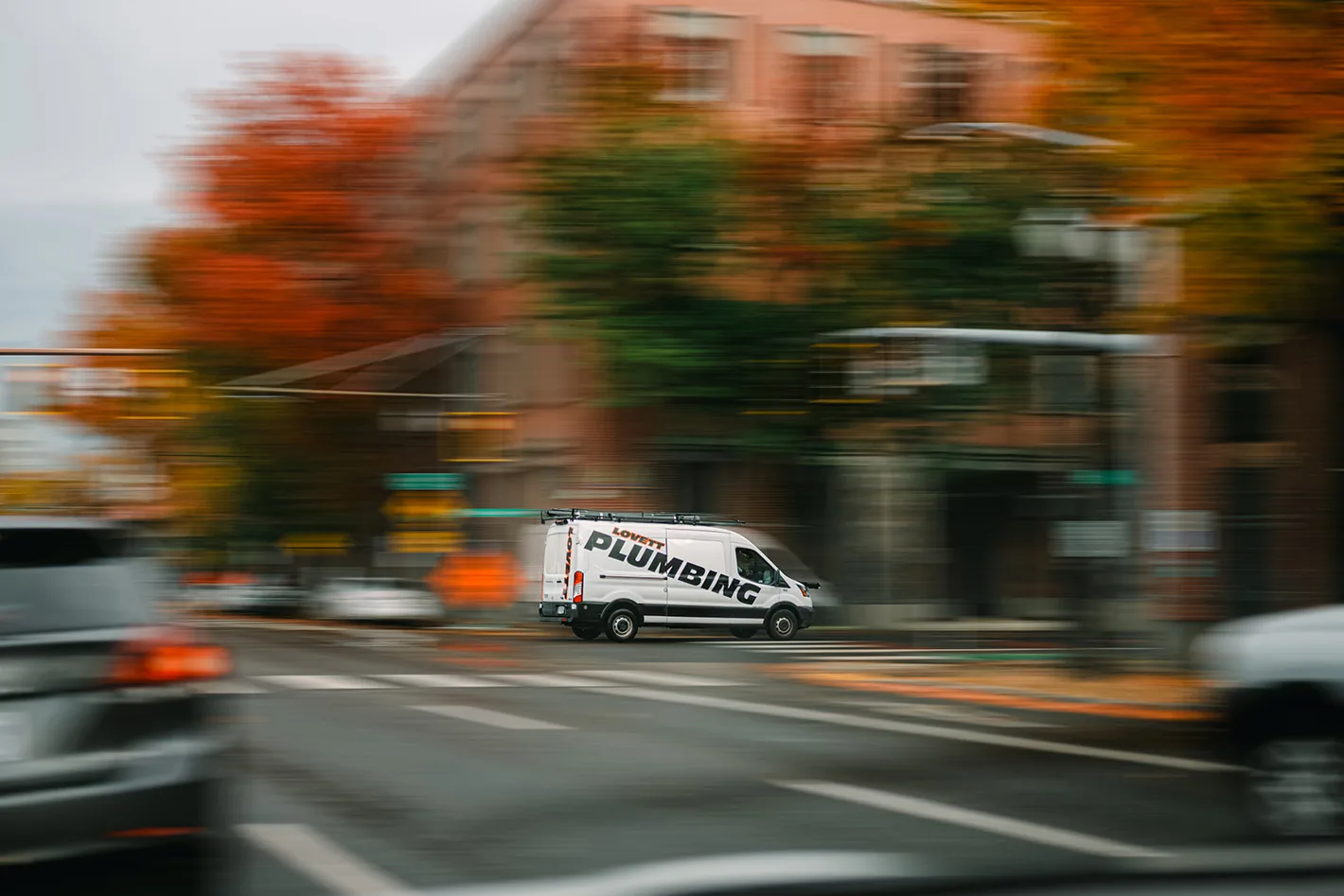
Burst pipes and backups, 24/7.
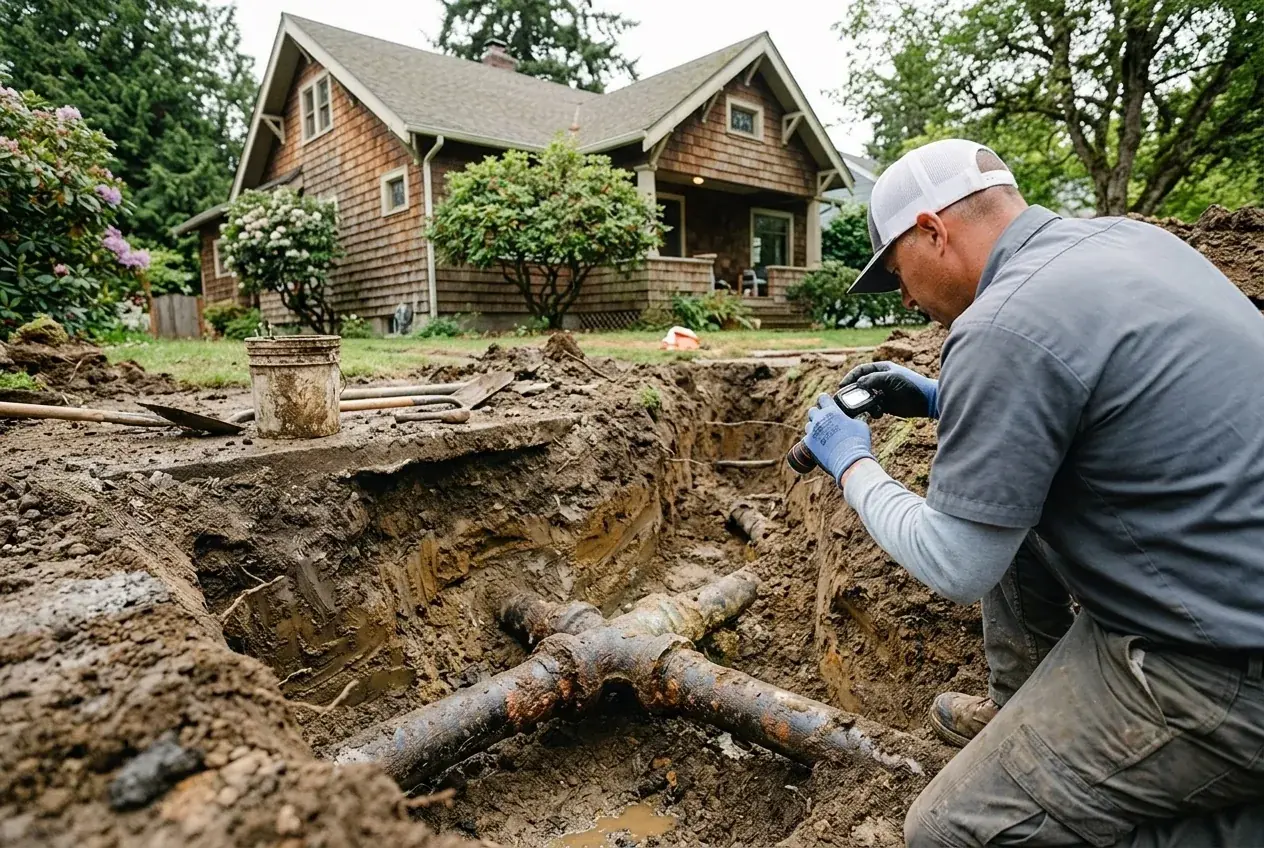
Shared laterals located, repaired and separated.
Four more things that come up constantly in a house, each with a page of its own.
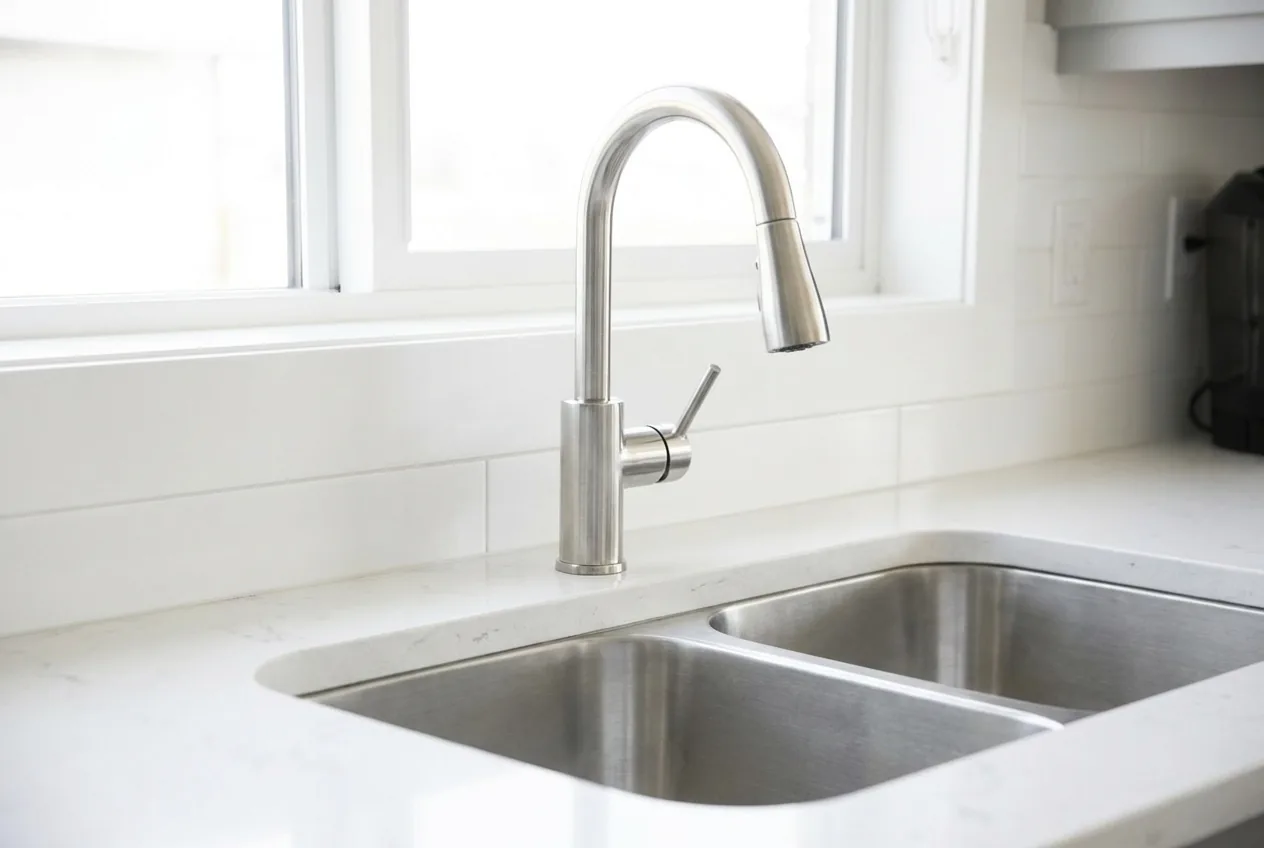
Faucets, toilets, showers, tub hardware and sinks. Running toilets, dripping valves, low pressure at one fixture and drains that are slow at one basin rather than the whole house. We repair what is repairable, replace what is not, and we will install a fixture you bought yourself.
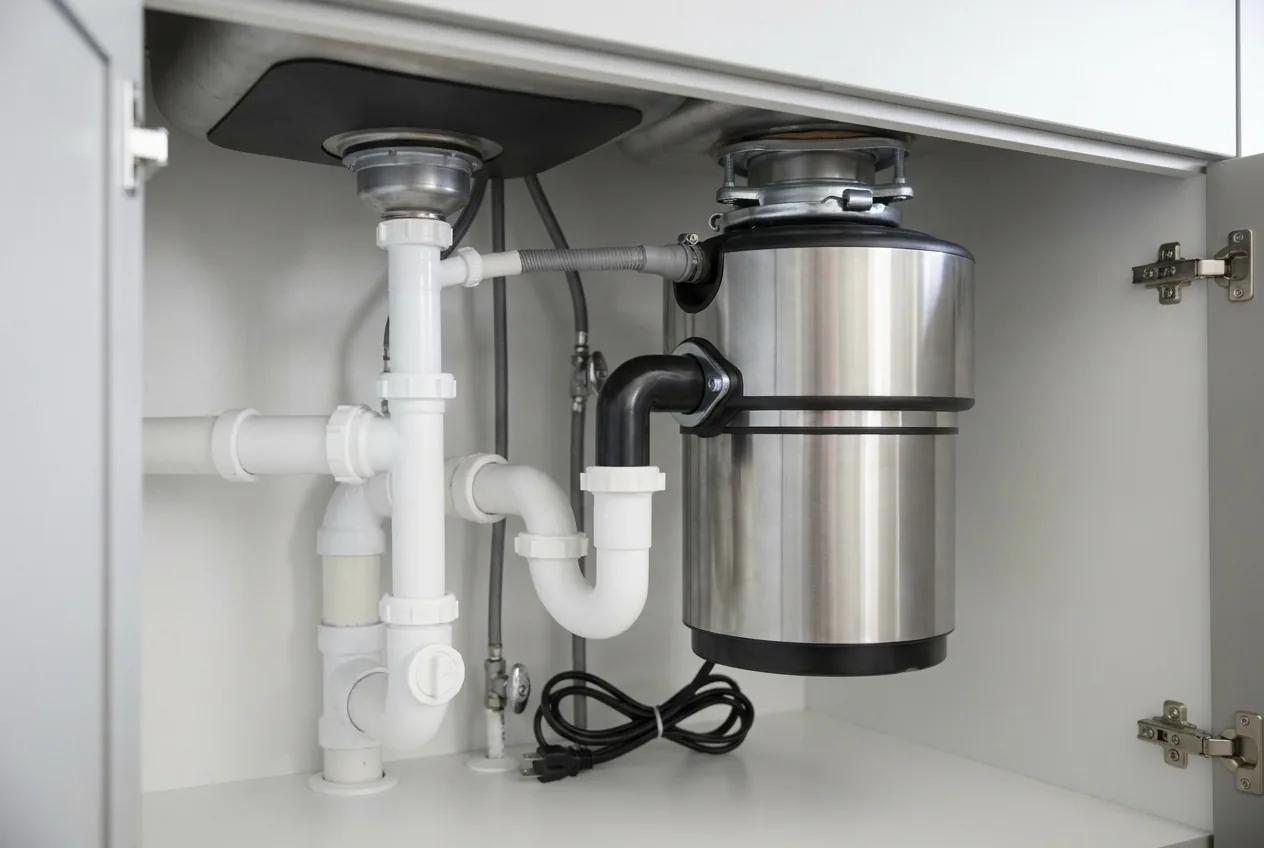
Jams, hums that never turn into a spin, leaks from the housing, and units that trip the reset button every week. Repair when the motor is sound, replacement when it is not, and a straight answer about what should never go down there in the first place.
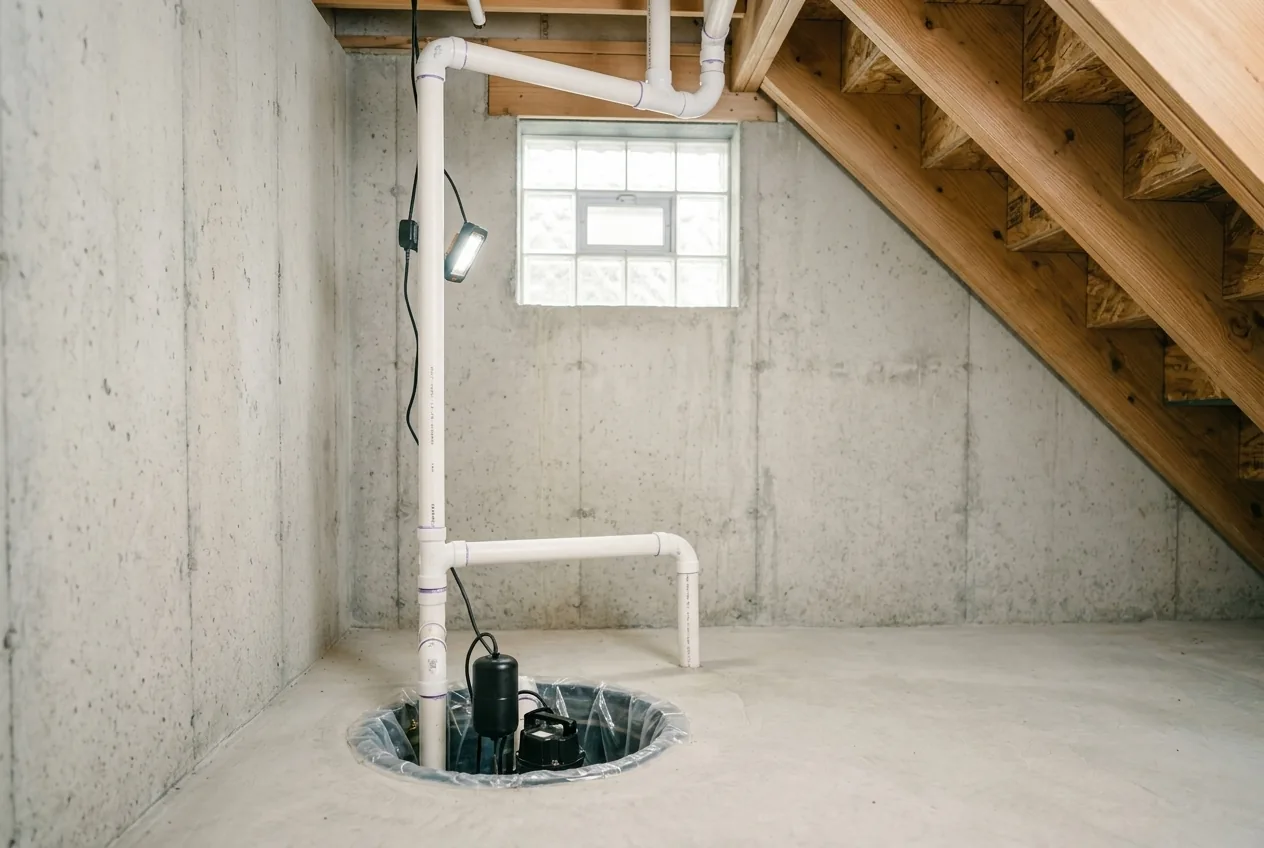
Basin, pump, float switch, check valve and discharge line, plus battery backup for the outage that arrives with the storm that needed the pump. We test the system in the dry months so you are not finding out about it in January.
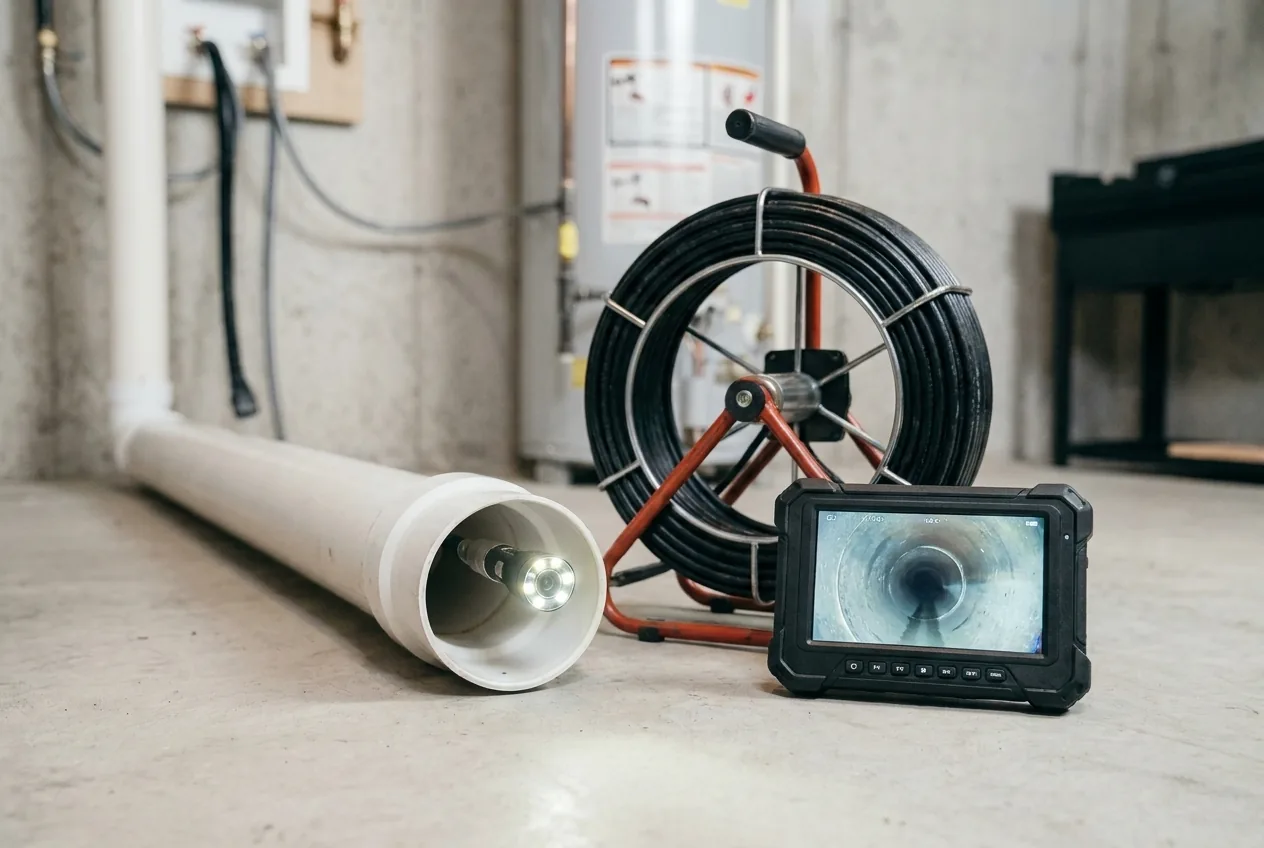
A camera down the lateral before you buy a house, before you approve a repair, or after the third backup in a year. You see the footage, and we can locate the defect from the surface so any digging happens in the right place the first time.
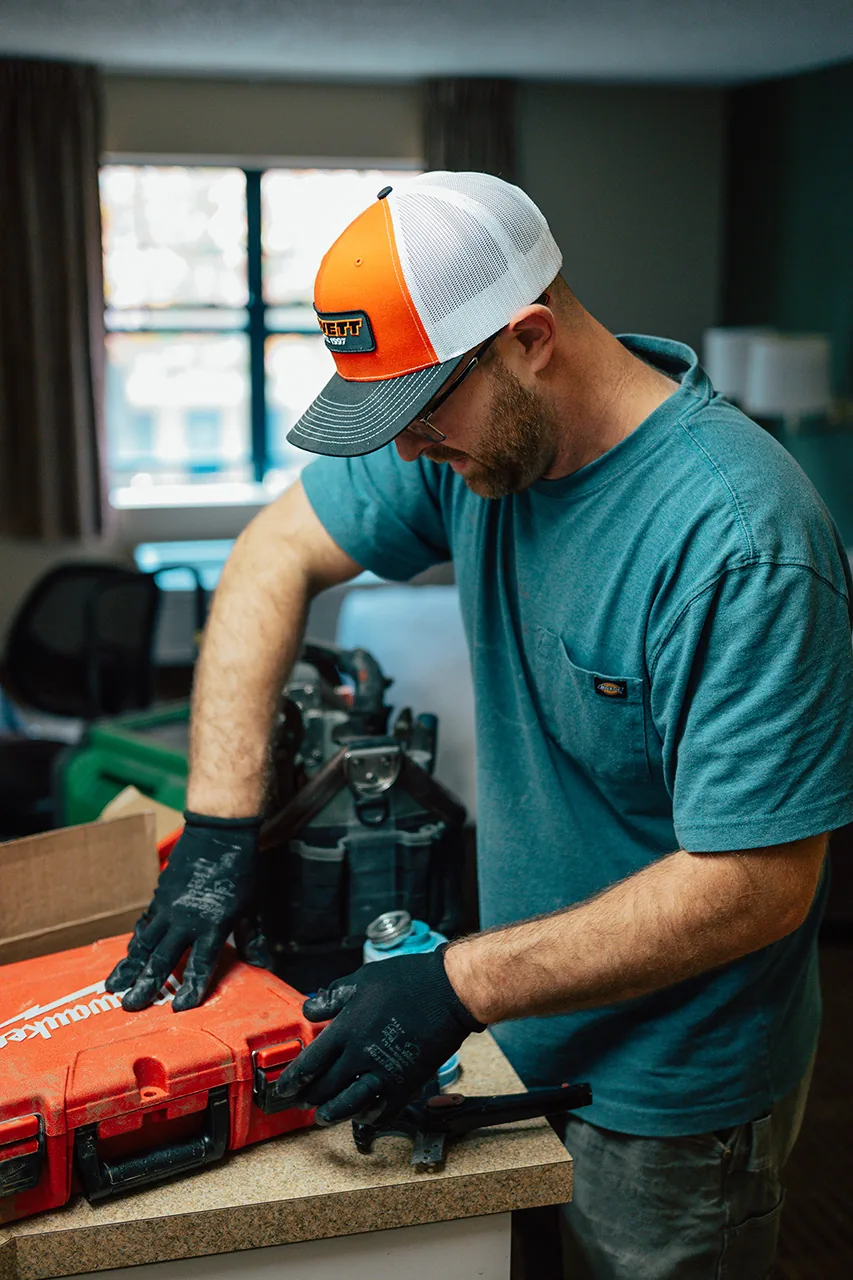
“Tyler came out today to inspect / replace my garbage disposal and it was such a great experience! He made the interaction very personable… He also explained different things about the process along the way and I really appreciated that along with how clean he was. He wore shoe covers and completely cleaned up the underneath of my sink as well as the yuckies in the bottom of my sink. Overall, I highly recommend!!”
Homeowner, Portland, OR
Years Serving Portland Homes
People on Payroll
Emergency Dispatch
Workmanship Warranty
These are the calls that come in most often, and all three give warning long before they turn into a flood.

Clay tile and Orangeburg laterals sit under a lot of Portland-area houses, and both were laid in short jointed sections. Roots find the joints, take hold, and catch everything that passes. The first sign is usually a slow tub or a gurgling toilet, not a flood. Cabling cuts the roots open and buys time, but they come back. A camera inspection shows how much pipe is actually left, and from there the options are jetting on an annual schedule, a spot repair at the failure, or replacing the lateral by pipe bursting so the lawn and driveway stay where they are.

Galvanized steel supply, standard in houses built before about 1970, rusts from the inside until the upstairs shower runs at a trickle and the water comes out discolored. Polybutylene, the gray or blue flexible plastic used from the late 1970s into the mid-1990s, tends to fail at the fittings and is often hard to insure. Older copper can start throwing pinhole leaks in several runs within the same year. Any of those patterns means the system has reached the end rather than one pipe splitting, and a repipe in PEX or copper is usually a few days of work depending on size and access.

Basements and crawl spaces in this part of the world spend the wet months sitting against a rising water table. The sump system is the only thing between that and the floor, and it is also the thing nobody looks at until it is already running. Pumps fail, float switches stick, check valves let water run back down the discharge line, and power goes out during exactly the storm that needed the pump. Testing the system in September is a service call. Finding out in January is a restoration job.
Four steps, the same every time, from the phone call to the paperwork.
Dispatch is staffed 24 hours a day. On an emergency we get someone moving and tell you what to do in the meantime, which is usually shut the water off at the main and, on a gas water heater, close the gas valve. On a scheduled job the office books a window that works around your day and confirms it the day before. You get the technician's name before the truck arrives.
The technician finds the cause before quoting the repair. On a main-line backup that means a camera down the lateral. On a suspected hidden leak it means locating the leak from the surface rather than opening a wall to look for it. On a water heater it means checking the anode rod, the temperature and pressure discharge, the venting and the expansion tank before deciding the tank itself has failed. You see what we see.
You get the scope and the number in writing and you approve them before anything starts. Where there is more than one sensible route, a spot repair against a full lateral replacement, or tank against tankless against heat pump, we lay out the options with what each one actually solves. Permits get pulled where Oregon requires them, which includes water heater replacement, repipes, sewer lateral work and most excavation. Shoe covers go on inside and the work area gets cleaned before anyone leaves.
The job closes with proof: post-repair camera footage where we ran a camera, the signed-off permit, the backflow test report filed with your water purveyor where one applies, and a written summary of what was done. Everything Lovett does carries a one-year workmanship warranty. If it is not right, we come back.

Yes. Houses, condos and townhouses are a regular part of the work and have been since 1997. The same licensed crews that service a 200-unit apartment complex will be at a bungalow the same afternoon. It is one company and one number either way: 971-204-8148.
In the Portland metro and the Vancouver, WA area, dispatch runs 24 hours a day, seven days a week, including holidays, and emergency calls go out as they come in. Scheduled work is booked into a window that suits you, usually within a few days. Further south through Woodburn, Salem, Keizer, Albany, Corvallis and Eugene the model is different. Those towns sit well outside the metro, so work there is planned in advance rather than dispatched on demand. The service areas page lists every town we cover.
A drain that closes up again and again usually has a pipe problem rather than a clog problem. In older Portland-area properties the usual cause is tree roots working in through the joints of a clay tile or Orangeburg sewer lateral. Cabling cuts the roots and restores flow, but they grow back. A camera inspection shows the actual condition of the line, and from there the answer is hydro jetting on a schedule, a spot repair, or replacing the lateral. Chemical drain cleaners are a poor idea on older pipe and we will say so.
Yes. A plumbing permit is required to replace a water heater in Oregon. Lovett pulls it and installs to code, which covers seismic strapping, the temperature and pressure relief discharge line, an expansion tank on a closed system, and correct venting and gas sizing. The signed-off permit comes to you with the rest of the closing paperwork.
The material and the pattern of failures tell you. Galvanized steel supply, standard in houses built before about 1970, corrodes from the inside and shows up as falling pressure and rusty water. Polybutylene, the gray or blue flexible plastic used from the late 1970s into the mid-1990s, fails at its fittings and is often difficult to insure. Copper joints soldered before 1986 may contain lead solder, which is a water quality concern. CPVC grows brittle with age. When leaks start appearing in several different places within a year or two, the system has reached the end rather than one pipe giving out. A whole-home repipe in PEX or copper usually takes a few days depending on the size of the house and how accessible the runs are.
It covers Lovett’s workmanship for twelve months. If something we installed or repaired is not performing the way it should, we come back and put it right at no extra charge. Equipment such as water heaters and pumps carries its own manufacturer warranty, which usually runs longer and is handled through the manufacturer. The warranty and guarantee page sets out what is included and what is not.
Yes. Lovett has over 100 people on payroll across plumbing, drain and sewer, excavation, directional drilling, vac truck and restoration. Crews arrive in marked trucks and in uniform, and the office confirms the appointment and the technician’s name before the visit.
Free on-site estimates and a written price before the work starts. Dispatch runs 24/7, including weekends and holidays.
4.9 Google rating from 500+ verified reviews · 1-year workmanship warranty · Free on-site estimates
