
A drain that keeps clogging is a symptom of one of seven causes, from grease and hair to tree roots and a sagging pipe, and each cause has a different fix.
A clog you clear once is a nuisance. A clog that keeps coming back is a message. When the same drain backs up every few weeks no matter how many times you plunge it or pour something down it, the blockage you keep removing is a symptom rather than the actual problem.
Here are the seven most common reasons drains clog repeatedly in Portland-area homes, and what it takes to fix each one properly.
1. Grease and fat buildup
This is the leading cause of kitchen drain clogs, and the hardest to spot because it is completely invisible. Cooking grease goes down the drain as a hot liquid, then cools and hardens onto the pipe wall a few feet along the line. Over months the opening narrows until water can barely pass. Pouring boiling water down only melts it temporarily, and it re-solidifies further along the pipe where it is even harder to reach.
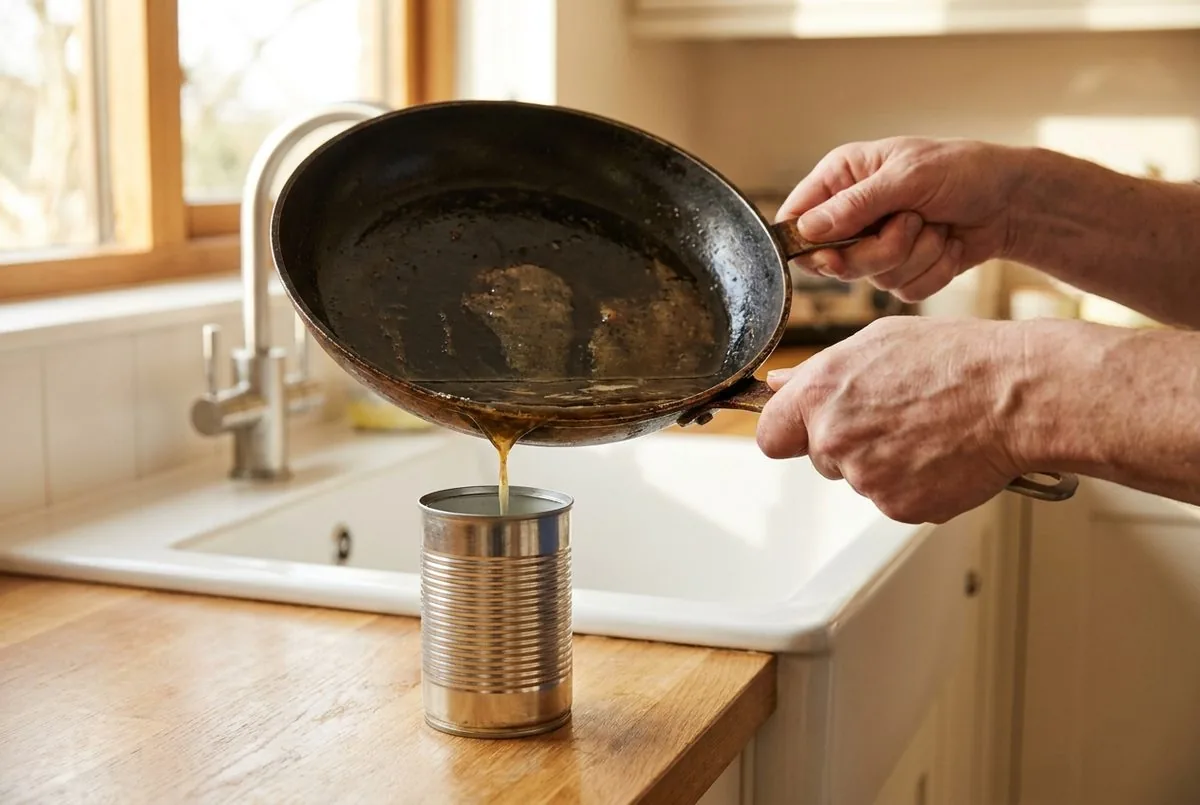
The single best habit you can build: pour cooled grease into a can, never down the drain.
2. Hair and soap scum
In bathroom sinks, tubs and showers, hair binds with soap scum into a dense fibrous mat that catches everything else flowing past it. It is the most common bathroom culprit by a wide margin, and it builds in the first few feet of pipe where you cannot see it. A mesh drain screen stops the large majority of it before it ever enters the line, and costs about as much as a coffee.
3. Things that should never go down a drain
Wipes sold as flushable are anything but. They do not break apart the way toilet paper does, and they are one of the leading causes of serious blockages in both houses and buildings. The same goes for cotton swabs, dental floss, feminine products, cat litter and coffee grounds. If it is not water, human waste or toilet paper, it belongs in the trash.
Quick gut-check
If one fixture clogs repeatedly, the problem is usually local to that drain. If several fixtures back up at once, or one gurgles when you run another, the issue is further down in the main line, and that is a different conversation entirely.
4. Tree roots in the sewer line
This is where repeated clogs stop being a housekeeping issue. In older neighborhoods, roots find their way into sewer lines through small gaps at the pipe joints, chasing the moisture inside, and then grow into a mesh that snags solids and triggers backups. You clear it, flow returns, and a few months later the roots have grown back through the same gap.
Root intrusion is the most common cause of recurring main line backups in the Portland area, because much of the older housing stock sits on clay tile or Orangeburg laterals whose joints were never root-proof to begin with. If whole-house drainage slows on a cycle rather than randomly, roots are the first suspect. The only way to confirm it is to look, which is what a sewer camera inspection is for.
5. A sagging pipe, also called a belly
Ground settles, and a section of pipe can settle with it into a low spot. Water and solids collect in that dip instead of flowing through, material accumulates, and clogs form in the same place over and over. No amount of plunging fixes a belly, because the problem is not an obstruction. It is a physical low point in the line, and correcting it means finding it, measuring how deep it is, and re-establishing the fall.
6. An old pipe surface that grabs everything
Decades-old cast iron and clay pipes develop rough, corroded, scaled interior walls. That roughness catches debris that would slide straight through smooth modern pipe, so the clogs are genuinely not your fault. The pipe surface itself has become a snag point. For lines like these, high pressure jetting scours the wall back toward its original diameter, which a cable simply cannot do. On an old or brittle line we camera it first to confirm it can take the pressure.
7. The clog was never fully cleared
A drain cable often punches a hole through a blockage rather than removing it. Water flows again, so the job looks finished, but most of the obstruction is still clinging to the pipe wall ready to rebuild within weeks. This is why what happens after the water starts moving matters as much as the clearing itself: cabling to open the line, jetting where the buildup warrants it, and a camera to confirm the pipe is actually clear rather than merely flowing.
How to actually break the cycle
Repeated clogs almost always trace back to one of two things: a habit that keeps feeding the drain the wrong material, or a structural problem in the line itself. The fix depends on which one you have.
If it is habits. A grease can by the stove, a mesh screen on every drain, and a trash-not-drain rule for everything except water, waste and toilet paper will eliminate most recurring clogs on their own. Root-prone and grease-prone lines also benefit from a maintenance cleaning about once a year. Chemical drain cleaners are worth avoiding, particularly on older pipe, where they do more harm to the pipe than to the clog.
If it is structural. You need to see inside the line before you can fix it. A camera survey finds roots, bellies, corrosion and cracks, and puts a distance on each one. From there the right clearing method resolves it properly, and if the pipe itself has failed, sewer line repair is the conversation rather than another clearing.
If you are tired of plunging the same drain, that is your cue. Our drain cleaning crews will find the real cause and clear it correctly so it stays clear. Get in touch and we will take a look.
Read Up, Then Call
More From the Blog
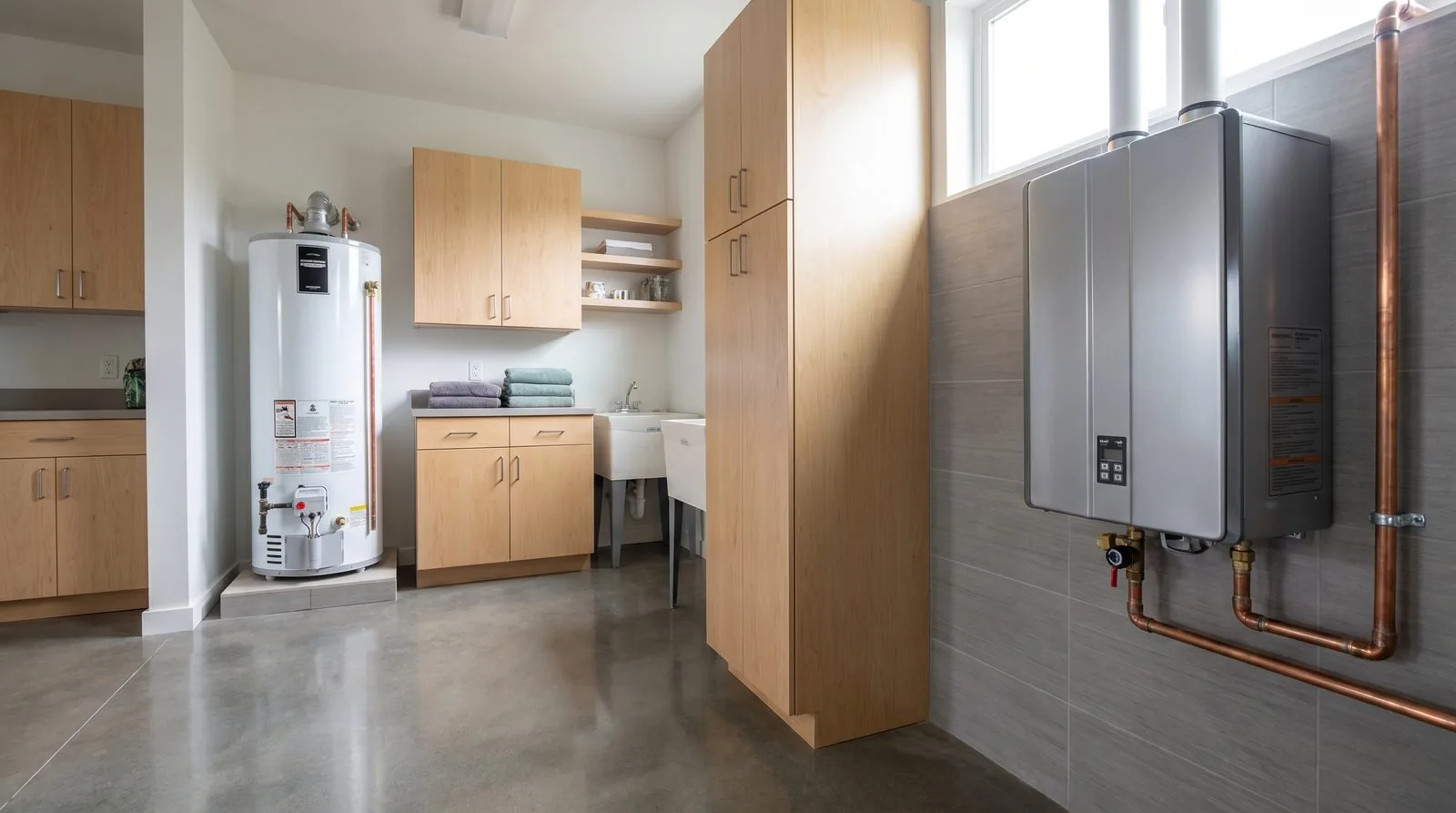
Tankless vs. Tank Water Heaters: A Portland Homeowner's Guide
Tankless units promise endless hot water and lower bills, and mostly deliver. They are still not the right call for every home. An honest side-by-side, before your current tank decides for you.
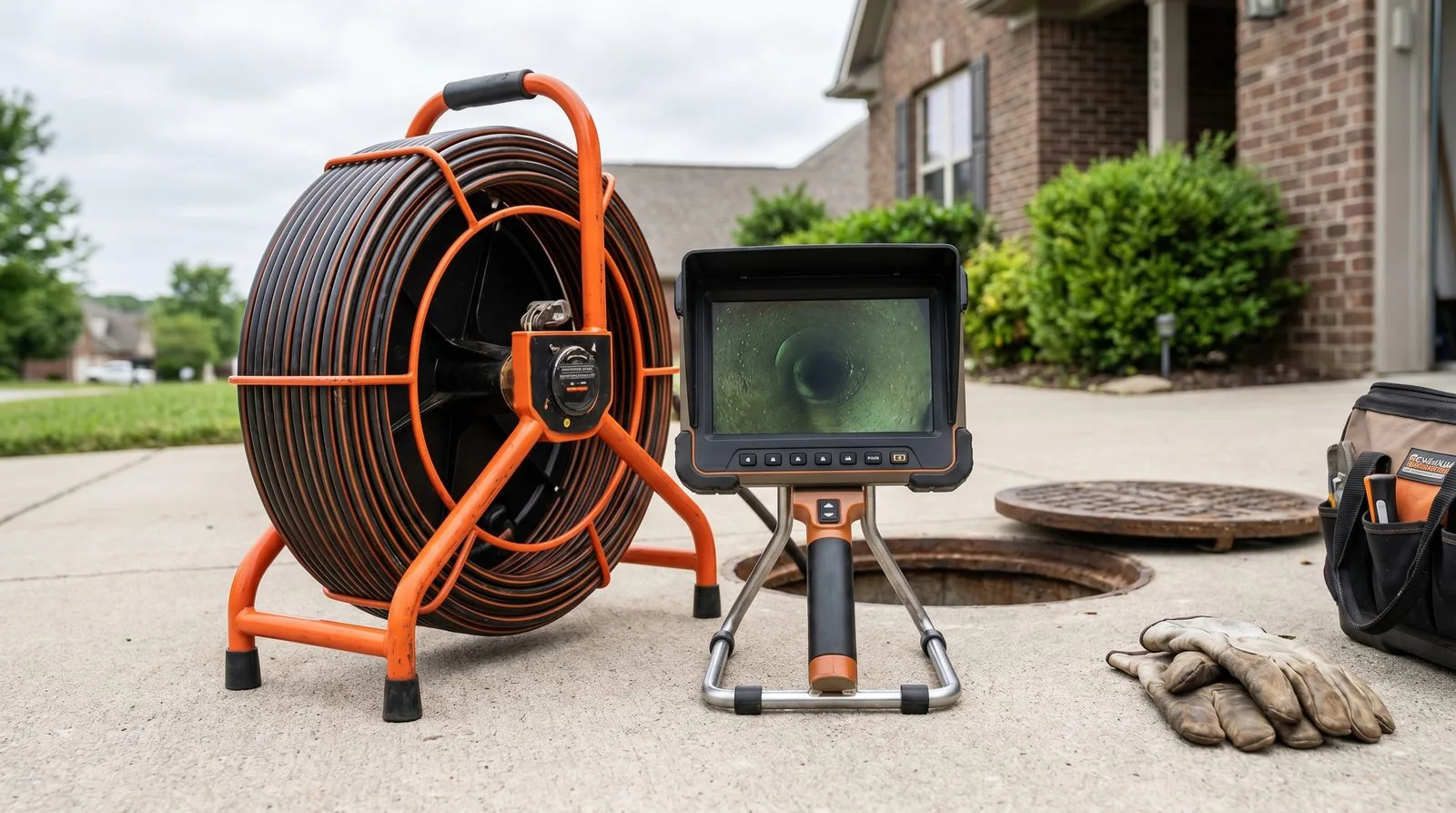
What a Sewer Camera Inspection Reveals and When You Need One
A camera replaces guesswork with a live video tour of the inside of your pipes. Here is what the footage actually shows, what the findings mean, and the five moments when running one is worth it.
Ready to Get It Fixed?
Free on-site estimates and a written price before work starts. Dispatch runs 24/7, including weekends and holidays.
4.9 Google rating from 500+ verified reviews · 1-year workmanship warranty · Free on-site estimates