
Portland’s go-to contractor for apartment complexes, condominiums, and housing communities. We minimize tenant disruption, respond 24/7, and keep your property operating smoothly.
Always available, day or night
Portland's trusted contractor
Oregon Licensed & Insured
Skilled, certified field team
1-year workmanship warranty
Managing a multifamily property means your plumbing system is under constant, simultaneous stress from dozens or hundreds of residents. A single sewer backup doesn’t just affect one tenant: it disrupts the entire building, triggers emergency maintenance calls, and risks health code violations.
Lovett Services specializes in the unique demands of multifamily infrastructure. We coordinate directly with on-site managers, work during low-impact hours, and execute repairs with minimal noise and disruption. Whether it’s emergency drain cleaning at 3am or a planned sewer line replacement over a weekend, we protect your residents and your reputation.
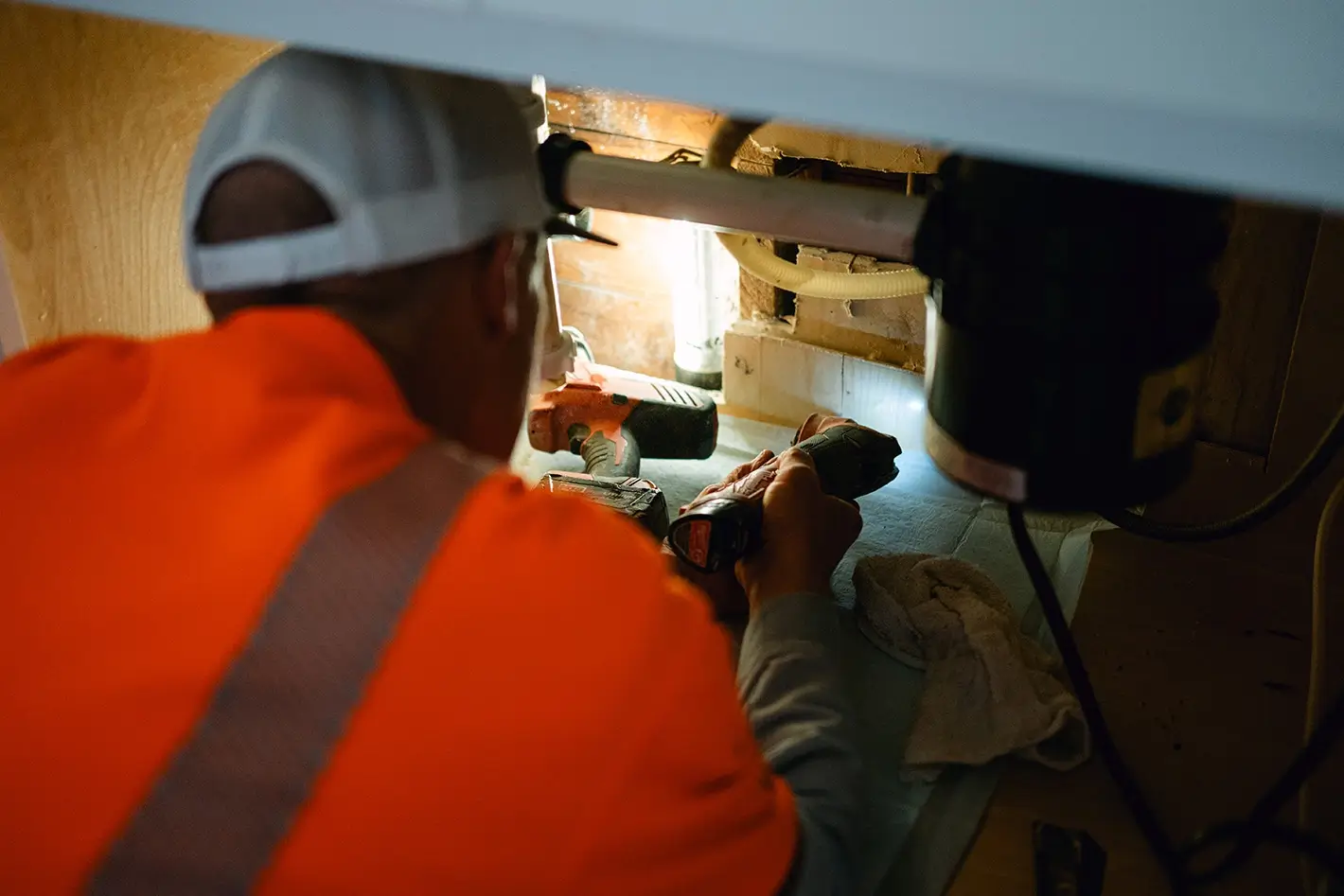
Full-service plumbing, leak detection, and water line repair for apartment complexes of all sizes.
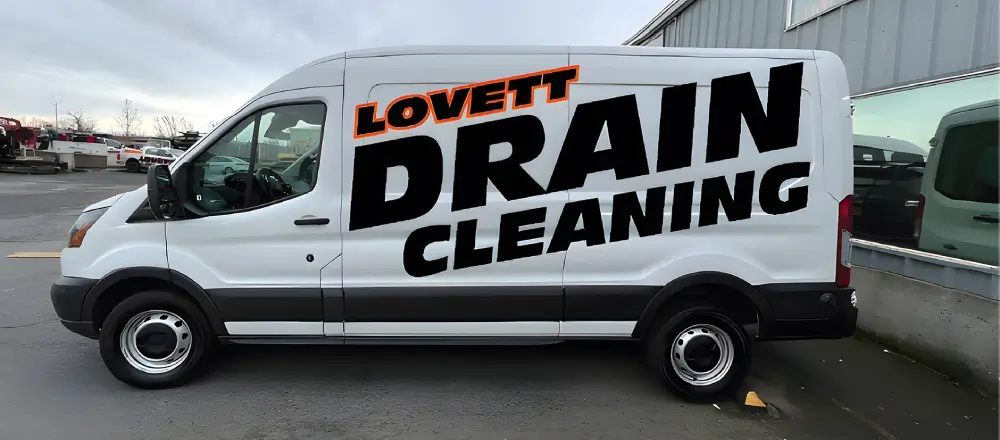
Preventative and emergency drain maintenance for high-occupancy buildings.

Repair, replacement, and fleet servicing for multifamily water heating systems.
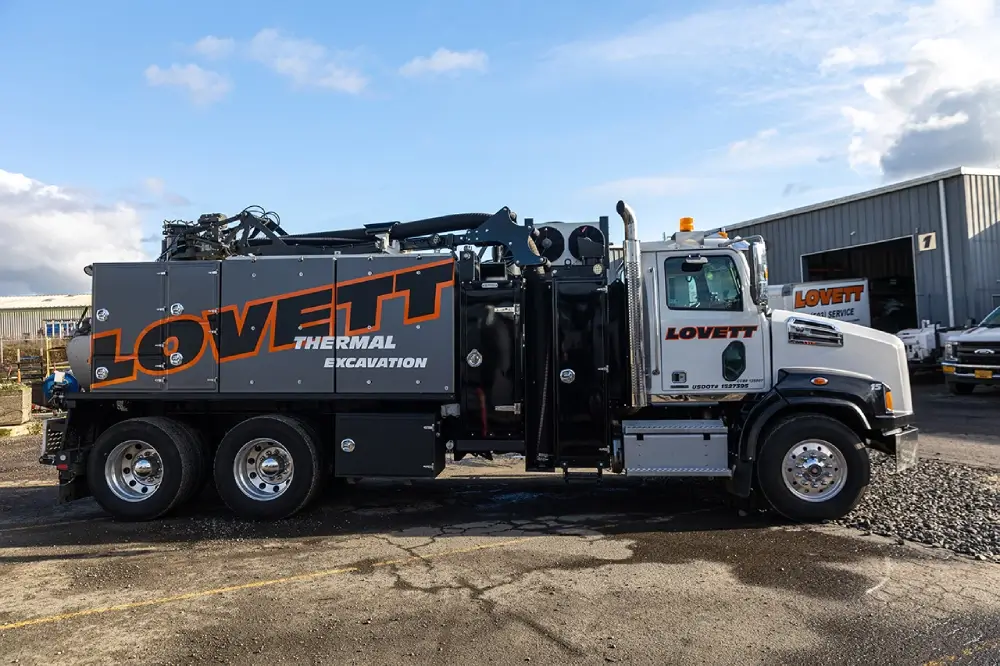
Debris & liquid waste extraction.
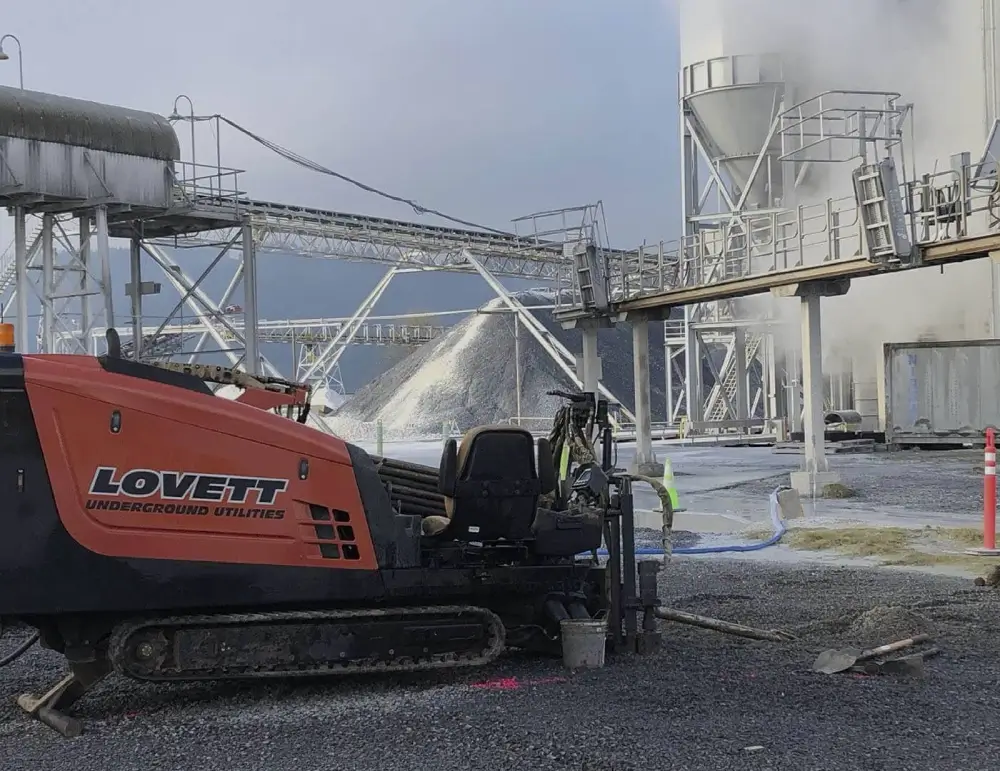
Camera diagnostics & compliance docs.

Annual certification & reporting.
Every service backed by our 1-year workmanship warranty and 24/7 emergency response.
24/7 emergency plumbing, water line repair, fixture installation, and sewer replacement for multifamily properties of all sizes.
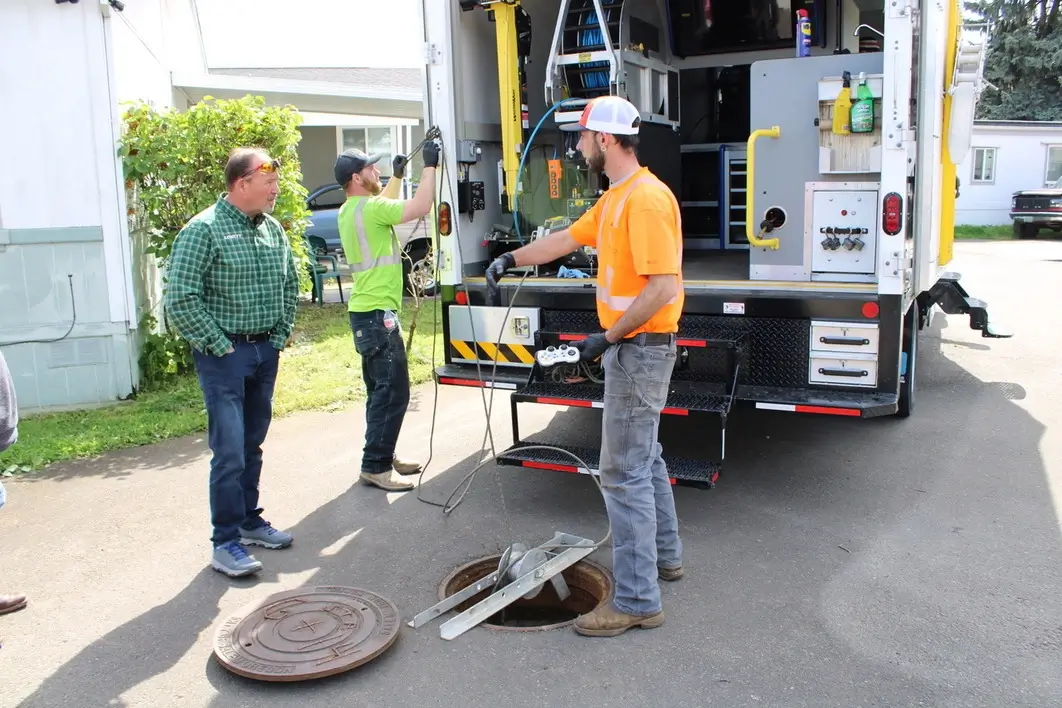
Hydro jetting, rooter service, and preventative drain maintenance programs that keep your building's lines flowing freely year-round.

Video camera diagnostics that pinpoint pipe failures before they become emergencies, with full compliance documentation for your records.
Annual certified backflow preventer testing and compliance reporting, completely handled for your property management team.
“Diego at Lovett quickly diagnosed and fixed our clogged drain at Keystone East Apartments. His expertise in water flow systems was impressive. He even shared best practices for maintenance. Lovett Inc has clearly hired a gem.”
Keystone East Apartments
Years Serving Multifamily
Technicians
Emergency Response
Oregon Licensed & Insured
High-occupancy buildings create compounding infrastructure stresses that single-family plumbing contractors simply aren’t equipped to handle. Here are the three issues that most frequently put Portland property managers in an emergency.
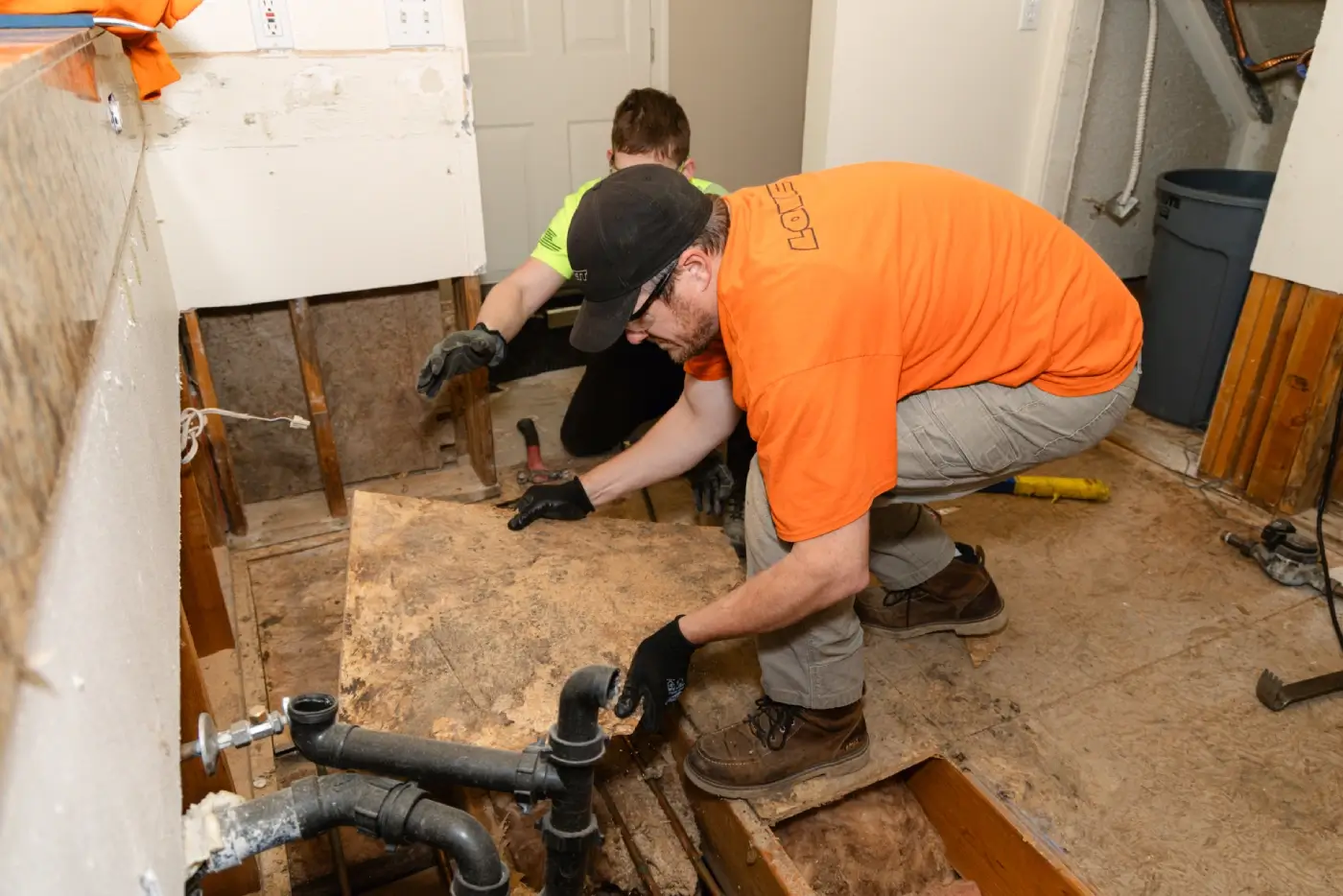
In Portland, many multifamily properties share a private sewer lateral — called a party sewer — that runs under multiple parcels before reaching the public main. Under City Code Chapter 25.08, when a shared section fails, all property owners share equal responsibility. A single root intrusion or pipe collapse can back up sewage into multiple buildings simultaneously, triggering health code violations across the entire property. We diagnose and repair party sewer failures fast, coordinating directly with Portland Environmental Services on all permits.
A 50-unit building can consume 800–1,200 gallons of hot water daily. Tank-style commercial water heaters typically last 8–12 years under continuous load, and a failure in the Pacific Northwest's cold months immediately creates habitability concerns. We service, repair, and replace commercial water heaters across all makes and capacities, evaluating your building's actual peak demand before recommending a replacement so you're never oversized or undersized.
Under OAR 333-061-0070, multi-tenant properties are classified as medium-to-high hazard premises requiring reduced pressure-type (RP) backflow assemblies on all domestic water services. Portland Water Bureau mandates annual certified testing, miss a deadline and the city may terminate water service to the entire building without further notice. We handle annual scheduling, certified inspections, and reporting directly to Portland Water Bureau's backflow portal.
Occupied buildings require a different kind of contractor: one who plans around residents, not despite them. Here’s how we approach every multifamily engagement.
Before any work begins, we conduct a full walk-through of your building's plumbing infrastructure, mapping existing sewer laterals, identifying party sewer arrangements, locating backflow assemblies, reviewing water heater capacity, and documenting any known problem areas. We request as-built drawings from the city when available, and we run a camera inspection of your main sewer line to assess pipe condition. This gives you a true baseline, not guesswork, and ensures our scope of work is priced accurately the first time.
We deliver a written scope of work and coordinate with your property management team to build a resident notification plan before a single pipe is touched. For planned water shutoffs, Oregon landlord-tenant law requires advance written notice, and best practice is 24–48 hours minimum. We provide templated notification language your manager can post or email, including the scheduled shutoff time, estimated restoration time, and an emergency contact number. For buildings with vulnerable residents, seniors, young children, medical needs, we help you identify those units and schedule work in a way that minimizes impact.
For major repairs or replacements, we use a floor-by-floor or wing-by-wing phasing strategy, isolating only the section of the building under active work at any given time. Water shutoffs are scheduled in 4-hour windows, typically between 9am and 1pm on weekdays when fewer residents are home. For sewer repairs requiring open excavation, we stage equipment to minimize blocked parking and pedestrian access. When trenchless methods (pipe bursting or CIPP lining) are available, we recommend them specifically because they eliminate the surface restoration costs and reduce work time by 30–50% compared to open-cut excavation.
Every Lovett job closes with a full documentation package: final camera inspection footage confirming the repair, all permit sign-offs, backflow test reports filed directly with the Portland Water Bureau, and a written summary of all work performed. This package protects you during city inspections, insurance renewals, and property transactions, and it eliminates the back-and-forth that happens when a new property manager inherits a building with no maintenance records. We retain copies of all documentation on file for the life of your account.

Answers to the questions Portland property managers ask us most often.
We always coordinate shutoffs with your property management team and require a minimum 24-hour advance notice to residents — 48 hours is our standard for planned work. Water service is typically suspended in 4-hour windows between 9am and 1pm, when fewer residents are home. For buildings where a floor-level or wing-level shutoff valve exists, we isolate only the affected section rather than the entire building. On emergency calls, we restore service as quickly as possible and communicate directly with the on-site manager throughout the repair. We also carry portable water bladder tanks for projects where extended shutoffs are unavoidable, so residents always have access to water.
For high-occupancy multifamily buildings we recommend a sewer camera inspection every 12 to 18 months and proactive hydro jetting on an annual cadence. Shared sanitary lines in an apartment complex absorb the daily output of dozens of kitchens and bathrooms at once, so grease, hair, non-flushable wipes, and root intrusion build up far faster than in a single-family lateral. Buildings with older clay tile or cast iron pipe, or properties surrounded by mature trees, should lean toward the shorter 12-month interval. Each service visit closes with a written condition report and saved camera footage so the property manager has a documented baseline before the next service. Properties on our maintenance program get priority scheduling and discounted rates on the jetting and inspection cycle.
Industry best practice for high-occupancy multifamily buildings is a camera inspection every 12–18 months. Shared sewer lines in apartment complexes accumulate grease, non-flushable wipes, and debris from dozens of households simultaneously — the buildup rate is far faster than a single-family lateral. We also recommend annual hydro jetting to clear the lines before blockages can develop into backups. Buildings with older clay tile or cast iron pipe, or properties surrounded by large trees, should lean toward the 12-month interval. A single emergency sewage backup can cost $5,000–$15,000 in cleanup and remediation — a fraction of the cost of a proactive maintenance program. We offer multifamily maintenance contracts that lock in priority scheduling and discounted rates.
Under Oregon Administrative Rule OAR 333-061-0070, multi-tenant premises are classified as medium-to-high hazard properties and must have reduced pressure-type (RP) backflow prevention assemblies installed on all domestic water service entries. Every assembly must be tested annually by a certified tester, and the test report must be filed with your water purveyor, in Portland, that’s the Portland Water Bureau. The testing deadline is based on the date of your last test, so different buildings may have different annual due dates. Critically, the Portland Water Bureau reserves the right to terminate water service without further notice if a property refuses to install, test, or maintain a required assembly. We are certified backflow testers and file reports directly with the Bureau on your behalf, eliminating any risk of missed deadlines.
Sewer line replacement at a multifamily property typically runs $50–$250 per linear foot depending on pipe diameter, depth, access, and method. Traditional open-cut excavation falls toward the lower end per foot but adds significant cost for concrete or pavement restoration, which can equal or exceed the pipe cost itself. Trenchless methods — pipe bursting and CIPP (cured-in-place pipe) lining — run $70–$200 per foot but eliminate most surface restoration and reduce project duration by 30–50%. For a typical 80-foot lateral at a mid-size apartment complex, total project costs range from $8,000–$25,000 depending on method and site conditions. Party sewer lines shared across multiple properties can be significantly longer, and we recommend all co-responsible owners be included in the permitting and cost-sharing conversation before work begins.
Tenant complaints during plumbing work almost always stem from two things: surprise and uncertainty. Our approach eliminates both. We require 24–48 hour written notice to all affected residents before any planned work, provide a clear window for when service will be restored, and give your manager a direct contact number for real-time updates. On multi-day projects, we provide end-of-day status updates so the manager can communicate proactively. We schedule work during off-peak hours when possible, and for larger projects, we use per-floor phasing so only residents on the active floor experience any disruption at a given time. Our crews are trained to keep work areas clean, minimize noise, and respect residents’ spaces. We treat occupied buildings differently than we treat vacant commercial projects.
From planned maintenance to 3am emergencies, Lovett Services protects your residents and your property, 24 hours a day, 7 days a week.